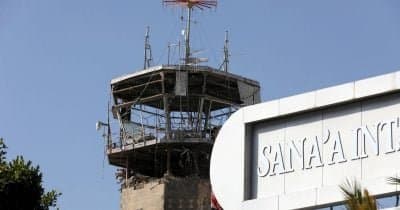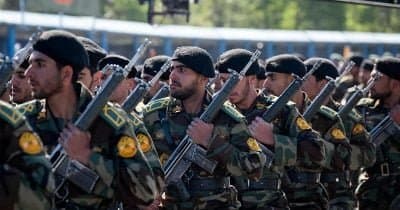
The recent statement from Iran’s Khatam al-Anbiya Central Headquarters highlights a significant risk of regional conflict escalation due to the growing cooperation between certain Middle Eastern countries and the United States as well as Israel. This warning comes amid the ongoing military engagements in the 2026 Iran war, which has expanded rapidly across various fronts since it began in February. The critical takeaway from the Iranian military's spokesperson indicates a viewpoint where such alignments are viewed as provocations, potentially increasing hostilities in an already volatile area.
Market dynamics reflect a perceived increase in regional instability, evidenced by a sharp drop in the likelihood of US-Iran peace talks. Predictions have slid from 72% to 33% within merely a week, suggesting that investors are bracing for further disruptions rather than resolutions. The entanglement of regional states with the interests of the U.S. and Israel could catalyze not just military responses from Iran but also wider implications for global energy markets, particularly concerning oil prices.
As observers monitor developments, the importance of statements from Iran's leadership cannot be understated. A continuation of aggressive rhetoric or military posturing could solidify fears of an expanded conflict, affecting how markets react to news related to diplomatic engagements. The role of neighboring countries like Pakistan and Qatar is critical, as their diplomatic maneuvers might signal changes in the negotiation landscape. Additionally, any sudden military actions from the U.S. or Israel could further destabilize the situation, mirroring historical precedents where such actions have led to broader implications for international relations.
Delayed US-Iran talks will have notable consequences for security in the Strait of Hormuz, a vital passage for oil transportation. Investors and analysts alike are urged to stay attuned to evolving geopolitical circumstances that could radically shift not only the balance of power in the Middle East but also market conditions across the globe.
This material is informational and not a financial recommendation.