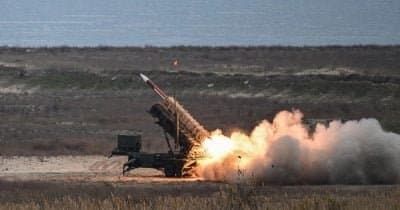
In a strategic development aimed at countering Russian missile threats, leaders from ten European nations have joined forces with Ukraine to form a new anti-ballistic missile alliance. This coalition, comprising Denmark, France, Germany, Italy, the Netherlands, Norway, Spain, Sweden, the UK, and Ukraine, was announced via social media. It reflects a significant pivot towards enhanced multilateral defense cooperation, particularly relevant as the Russo-Ukrainian War continues to evolve.
The primary goal of this alliance is to strengthen missile defense systems by integrating Ukraine's Freya interceptor initiative potentially with the U.S.-made Patriot missile system. This integration signifies an important step in Europe’s efforts to boost its defense capabilities, especially in light of ongoing uncertainties regarding U.S. military support.
Implications for Geopolitical Stability
Market indicators suggest that this alliance could lead to a decrease in the perceived risk of Russian advances into critical Ukrainian cities like Sloviansk by the December 2026 deadline. As international focus sharpens on European defense autonomy, the implications of this coalition may extend beyond mere military strategy to encompass broader geopolitical stability.
Upcoming discussions in France concerning production and deployment plans for missile defense will be pivotal in shaping the effectiveness of this coalition. These meetings will be crucial as they will lay down the groundwork for future cooperation and operational readiness against potential Russian aggression.
Investors and analysts alike should remain vigilant regarding developments within this new security framework. The effectiveness of this alliance, along with NATO’s stance on military support for Ukraine, could significantly impact market perceptions and geopolitical dynamics.
This analysis is for informational purposes only and does not constitute financial advice.