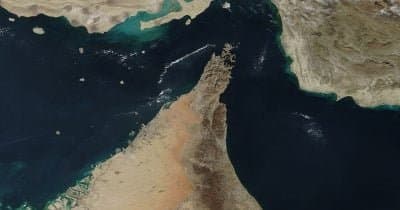
Recent geopolitical developments between the United States and Iran have introduced significant fluctuations in oil prices, particularly concerning the crucial Strait of Hormuz. Following reports of Tehran's closure of this vital oil passageway, crude oil prices initially surged. However, the announcement of a subsequent agreement between the two nations to reopen the strait has led to a notable decline, with Brent crude now priced at $83.88.
This shift in oil prices reflects broader market sentiment and investor behavior. As tensions escalated earlier, European shares experienced a slight dip, with the Euro STOXX 50 index dropping by 0.3%. This reaction underscores the market's sensitivity to geopolitical tensions, particularly in regions that are pivotal for oil transportation.
Market participants had initially priced in expectations of higher oil prices due to fears of disrupted supply. However, with the reopening agreement, these perceptions have rapidly shifted. This indicates a potential de-escalation of tensions, which may instill a sense of stability in the oil markets as well as in broader financial markets.
Future Implications and Monitoring Developments
Looking ahead, it will be critical for investors to monitor further developments in U.S.-Iran relations. Any changes in diplomatic exchanges or military posturing could significantly sway oil prices and overall market dynamics. Additionally, announcements from OPEC+ or alterations in U.S. foreign policy could further shape market expectations.
In this volatile environment, keeping an eye on official confirmations regarding the status of the Strait of Hormuz will be essential. Such updates will likely influence market sentiment and trading strategies among investors.
This material is for informational purposes only and should not be considered financial advice.