The United Arab Emirates (UAE) has recently ramped up its air defense capabilities in response to a persistent missile threat, particularly in light of the ongoing 2026 Iran War. The urgency of this development signifies the precarious nature of military tensions in this geopolitically sensitive region, where threats to stability are ever-present.
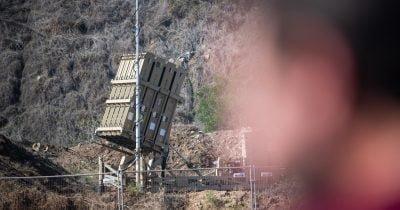
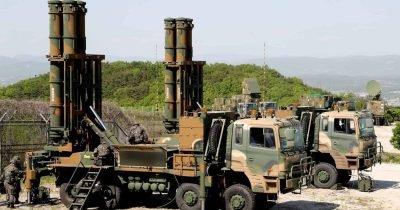
In a report by Financial Juice, it has been stated that the UAE's defense systems are not only on high alert but are actively intercepting incoming missiles. This move is particularly significant due to the recent spate of missile and drone strikes launched by Iran, which have targeted the UAE. The use of advanced air defense technologies, including THAAD, Patriot, and Israel's Iron Dome/Iron Beam, reflects a comprehensive defense posture designed to mitigate threats and underscores the UAE's commitment to protecting its sovereignty.
Implications for Regional Security
The active deployment of these air defense systems suggests that the UAE is in a heightened state of military readiness. This readiness is indicative of broader regional dynamics, specifically the fragile ceasefire between the U.S. and Iran. As tensions escalate, the likelihood of military action could surge, further complicating the geopolitical landscape. Investors and market analysts are likely keeping a close watch on this situation, interpreting the UAE's defense readiness as a vital indicator of potential future conflicts.
Market Reactions and Future Considerations
Interestingly, market pricing is currently reflecting confidence in the UAE’s defensive innovations. The perception that these measures may reduce the risk of aggressive Iranian actions against Gulf states is another critical aspect that investors should consider. However, the recent interceptions also serve as a reminder of the ongoing volatility that characterizes the region and may influence perceptions of security in the oil markets and beyond.
As observers continue to monitor the responses from both Iranian and UAE officials, any new developments in military strategies, diplomatic relations, or ceasefire statuses will be pivotal. The durability of the current ceasefire is essential; any breaches could lead to escalated military confrontations, with profound consequences for regional market stability.
This analysis is informational and should not be taken as financial advice.