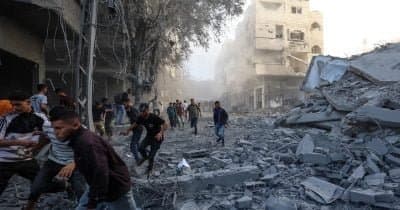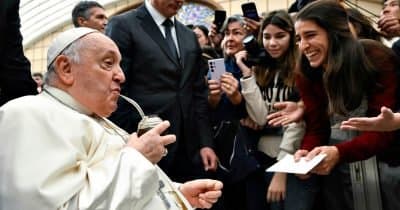
The recent call for diplomatic efforts by Pope Leo XIV amidst rising tensions between the United States and Iran highlights a moral imperative that could influence the trajectory of peace talks. Following a series of U.S.-Israeli airstrikes in Iran earlier this year, the conflict escalated, resulting in retaliatory strikes and the closure of the critical Strait of Hormuz by Iran. This situation not only threatens regional stability but also has profound implications for global markets, particularly in energy.
The Pope's appeal for dialogue underscores the urgency for a diplomatic resolution. His remarks, which coincide with a peace vigil at St. Peter's Basilica, are seen as a significant moral push for peace. This kind of intervention could be pivotal at a time when military actions seem to dominate the narrative. Market participants are beginning to react, perceiving the Pope's involvement as a catalyst for renewed discussions, potentially shifting the dynamics between the U.S. and Iran.
Market Reactions to Diplomatic Appeals
The growing sentiment of the market appears to reflect an optimistic outlook regarding the possibility of peace negotiations. Investors and analysts are keenly observing how the Pope's message will be interpreted by key political figures, such as U.S. President Donald Trump and Iranian Foreign Minister Seyed Abbas Araghchi. Any indication of upcoming diplomatic talks or decisions regarding potential venues could significantly alter market perceptions and lead to shifts in trading behaviors.
The Ongoing Complexity of US-Iran Relations
The situation remains fluid; ongoing military actions continue to pose a challenge to any peace discussions. As seen in previous instances of conflict in the region, the interplay between military engagement and diplomatic efforts often creates a complex environment for negotiations. The combination of military posturing and calls for peace from figures such as the Pope adds a layer of unpredictability to the future of U.S.-Iran relations. Observers will be particularly keen to note the impact of any further military strikes or new diplomatic initiatives on market sentiment and geopolitical stability.
This material is informational and does not constitute financial advice.