The recent escalation of hostilities in the Persian Gulf, particularly the attacks on Kuwait’s northern border centers and an offshore drilling platform, has raised significant concerns about regional stability and its broader economic implications. As the conflict involving Iran intensifies, these incidents reflect not just military tensions but also potential ramifications for global oil markets and security in maritime pathways.
Escalating Military Actions and Market Reactions
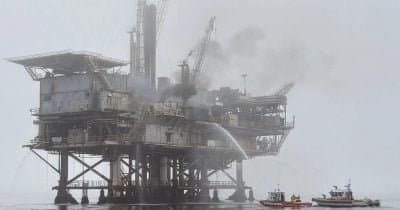
The Kuwait Army reported that attacks on three border centers resulted in material damage, alongside a drone strike targeting an offshore drilling platform. Notably, a worker was injured in this latter attack, which underscores the real human cost of these hostilities. These actions are framed within the ongoing 2026 Iran War, where Iran has been increasingly aggressive, targeting both U.S. military bases and Kuwaiti interests.
Market analysis following these events indicates a marked increase in the perceived likelihood of Iranian military actions against Gulf states. This is evidenced by a spike in predictions within financial markets, suggesting that investors are adjusting their expectations regarding regional stability and security. As military engagements seem to become more frequent, market participants are reassessing the risk associated with their investments, particularly those related to energy supply and security.
Broader Implications for Maritime Infrastructure
The attack on the offshore platform signals a troubling trend where Iran may seek to disrupt vital maritime infrastructure, a critical element in the global oil supply chain. The implications of such actions extend beyond immediate military concerns, as they threaten the reliability of shipping routes. A potential increase in insurance costs for vessels operating in the region may emerge alongside a rise in oil prices due to perceived threats against supply lines.
This recent spike in tension mirrors trends observed in other conflicts, such as what rising casualties in Lebanon mean for regional stability. If this pattern continues, market participants should prepare for heightened volatility, especially in commodities tied to oil prices.
Investors and analysts are now closely monitoring developments pertaining to the U.S.-Iran negotiations aimed at curbing hostilities. Any progress towards a ceasefire or an easing of tensions could have substantial ramifications for market dynamics in the coming months. A resolution that ensures the safety of the Strait of Hormuz, a crucial artery for global oil transport, could stabilize prices but might take considerable time to negotiate.
The material provided is for informational purposes only and does not constitute financial advice.