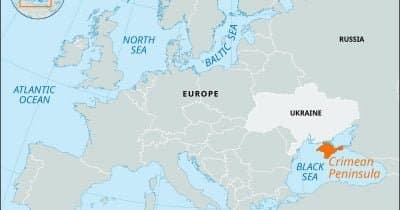
The ongoing fuel crisis in Russian-occupied Crimea is a clear indicator of Ukraine's ability to disrupt Russian logistical and military capabilities. Following recent Ukrainian strikes on key infrastructure, including refineries and critical supply routes such as the Kerch and Chonhar bridges, fuel supplies in the region are dwindling. This escalation has had immediate consequences, prompting Russian authorities to halt civilian fuel sales, highlighting the severity of the situation.
Since its annexation in 2014, Crimea has faced various challenges, but the current fuel shortage marks the most significant crisis to date. This is particularly troubling for a region whose economy heavily relies on tourism, further dampening its prospects amid the ongoing conflict which has now entered its fifth year. The targeted strikes are part of Ukraine's broader strategy to isolate Crimea from Russian support, thereby shifting the dynamics of the conflict in their favor.
Market reactions indicate an increasing perception of Ukraine’s potential to reclaim Crimea, with a noticeable uptick in pricing predictions for this outcome by the end of 2026. This development is linked to the disruption of Russian supply lines, raising questions about Russia's military operations in the region and their overall effectiveness.
As observers analyze these developments, it is crucial to monitor any further Ukrainian military actions and Russian responses. Such events could significantly influence market pricing and projections regarding territorial control in Crimea. Updates on international diplomatic efforts and shifts in military strategies will also play a pivotal role in shaping the narratives surrounding this conflict. Ultimately, the crisis not only reflects the ongoing struggles on the ground but also serves as a barometer for future engagements in the region.
This material is for informational purposes only and should not be considered financial advice.