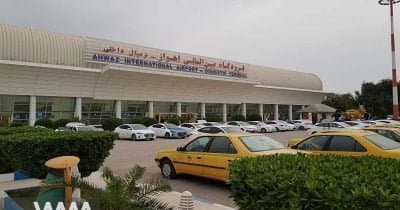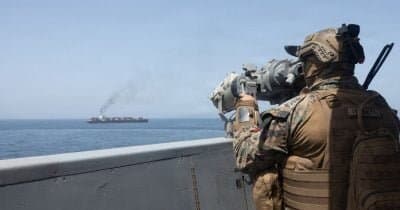
Recent reports of explosions near Sirik in Iran’s Hormozgan Province signal a potential escalation in the ongoing conflict involving the United States and Israel. This situation emerges as joint U.S.-Israeli airstrikes have targeted Iranian positions since February, with Sirik’s strategic location near the Strait of Hormuz heightening its significance in the conflict. The Strait of Hormuz is a critical passage for global oil shipments, making developments in this region particularly concerning for international markets.
The explosions indicate not only a possible uptick in military activity but also a broader context of rising tensions in the region, leading to increased worries about regional security and stability. As market analysts observe, pricing currently reflects a 24.5% likelihood that Iran might close its airspace fully by the end of this month. Such a move would not only elevate tensions but could also disrupt air traffic and shipping routes, exacerbating the already strained situation.
Investors and political observers should monitor announcements from Iran's Civil Aviation Organization closely. A complete airspace closure would likely correlate with escalated hostilities, further impacting market sentiments. Conversely, any signs of de-escalation from either U.S. or Iranian leadership could potentially shift the market’s expectations dramatically. The unfolding events could act as significant catalysts for market behavior in the coming days.
The situation surrounding Sirik thus serves as a focal point for understanding the intricate dynamics between involved nations and their strategies. As geopolitical tensions rise, the implications for oil markets and regional stability grow increasingly complex, making it vital for stakeholders to stay informed on developments in the region. For a deeper understanding of how military actions can reshape maritime security and oil markets, consider reading this analysis.
This material is for informational purposes only and should not be considered financial advice.