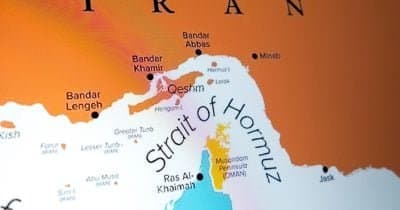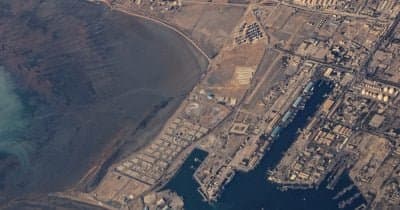
The recent reports of multiple explosions near Bandar Abbas, particularly in the coastal vicinity of Qeshm, have raised alarms amidst the ongoing tensions between the United States and Iran. While initial reactions have varied, the lack of a clear official explanation for these incidents hints at a deeper complexity that could unfold in this strategically vital region.
These explosions occur during a period marked by significant military engagement in the Strait of Hormuz, where U.S. actions targeting Iranian military capabilities have escalated tensions dramatically. The geographical context the proximity to key military sites leads to speculation that these blasts might not merely be industrial accidents but potentially related to military operations. This interpretation posits that the explosions could presage an intensification of conflict in an already volatile environment.
Market analysts have reacted by adjusting their perceptions of the political landscape in Iran, particularly regarding the regime's stability. The potential for regime change appears to be gaining some traction in trader sentiments, which are now factoring in increased volatility. This shift in market behavior suggests that the traders are preparing for scenarios where Tehran’s grip on power might weaken, leading to a cascade of implications for energy markets, including oil prices. These adjustments reflect the uncertainty surrounding Iranian leadership, a consistent theme in the broader discourse on Middle Eastern geopolitics.
In assessing the ramifications of the explosions, it is vital to pay attention to subsequent actions taken by Iranian officials and the military. Any confirmation regarding military engagement, further U.S. strikes, or escalated defenses might lead to decisive shifts in both market pricing and diplomatic discussions. As shown in previous analyses, the position of individuals such as Mojtaba Khamenei and the Iranian Revolutionary Guard Corps will be critical in predicting potential outcomes for the regime.
In conclusion, as the world watches the developments surrounding these explosions, stakeholders must remain vigilant regarding how these incidents could reshape market forecasts related to Iranian stability. The situation encapsulates the intricate dance of geopolitics and economics in one of the most strategically significant regions of the globe.
This material is informational and not financial advice.