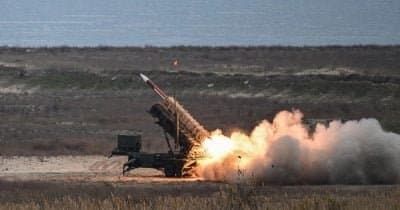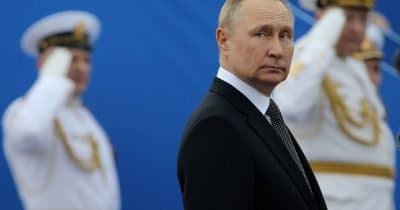
In the wake of Ukraine's recent military escalations against Russian infrastructure, President Vladimir Putin's vow for a more aggressive military response signals a pivotal moment in the ongoing conflict. The war, now entrenched in its fifth year, has witnessed intensified hostilities that not only threaten regional stability but also reverberate through global markets.
Context of Escalation
Ukraine's strategic strikes targeting critical assets such as oil refineries and ports have prompted a stark reaction from the Kremlin. Putin's announcement to bolster military operations comes at a time when calls for a ceasefire have been openly dismissed. The implications of this rhetoric extend beyond military posturing; they are indicative of a broader strategy aiming to secure Russian interests amidst increasing Ukrainian offensives.
Market Reactions and Predictions
The financial markets are beginning to reflect these developments, especially in prediction markets where the probability of Russia capturing key Ukrainian cities, such as Sloviansk, by the end of 2026 is on the rise. This shift in expectations suggests that investors are preparing for a period of heightened military activity rather than a diplomatic resolution. Such market behavior reinforces the notion that the conflict is far from resolution and may continue to escalate, reshaping future geopolitical dynamics.
As these tensions mount, a nuanced understanding of market signals becomes essential for stakeholders. The likelihood of military advances can significantly influence pricing in commodities and related sectors. For instance, fluctuations in oil prices could be anticipated, as the conflict directly impacts supply chains and security in the region.
Future Implications and Strategic Considerations
Going forward, market participants should remain vigilant regarding military developments and potential strategic shifts from either side. Statements from NATO and other Western powers could drastically alter the trajectory of the conflict. Additionally, any changes in international sanctions or diplomatic gestures might offer a pathway toward de-escalation, leading to potential shifts in market predictions.
In summary, Putin's commitment to a stronger response to Ukraine's strikes serves as a critical juncture for both military and economic landscapes. With increasing expectations of territorial advances, stakeholders must navigate this complex interplay of military strategy and market dynamics with caution.
This material is for informational purposes only and does not constitute financial advice.