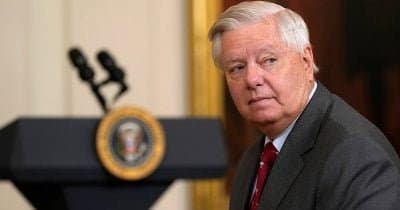
The unexpected death of Senator Lindsey Graham has significant implications for Ukraine's standing within U.S. foreign policy, particularly amid the ongoing crisis with Russia. Graham, known for his unwavering support of Kyiv, was instrumental in rallying bipartisan backing for Ukraine during his tenure. His recent initiatives included finalizing a diplomatic deal for new sanctions against Russia, highlighting his commitment to curtailing Moscow's aggression. The absence of such a vocal advocate in Washington raises questions about the continuity of this support.
As market analysts digest these developments, there is a growing sense of concern regarding Ukraine's diplomatic influence in the U.S. Without Graham’s advocacy, the strategic landscape appears less favorable for Ukraine, potentially complicating peace negotiations. For instance, the latest market assessments suggest a decline in the probability of a ceasefire agreement occurring by the end of 2026, with estimates dropping to 41% as of recent reports.
This shift could lead to a recalibration of U.S. foreign policy, particularly under the Trump administration, where Graham played a pivotal role in aligning sanctions strategies and diplomatic efforts with U.S. interests. Observers are now closely monitoring statements from influential figures like U.S. Secretary of State Marco Rubio, as these could provide insights into the future direction of U.S. engagement on the Russia-Ukraine conflict.
Increased U.S. mediation, or a marked shift in the current diplomatic stances of either Russia or Ukraine, could alter market perceptions, but the initial reaction suggests a more contentious path ahead. This situation brings to light the broader implications for international relations in the region, drawing parallels to other geopolitical tensions where U.S. policy has historically played a decisive role, such as during escalating tensions in Iran or military commitments in the Middle East.
In essence, Graham's passing may not only influence Ukraine's immediate diplomatic landscape but could also precipitate shifts in U.S. foreign policy that ripple through global markets, a concern that investors and strategists alike must navigate.
This analysis is for informational purposes only and should not be construed as financial advice.