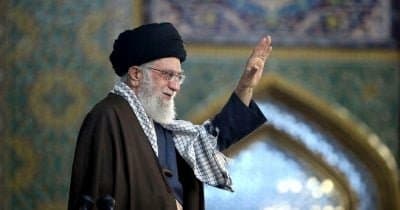
The recent pronouncement by Supreme Leader Mojtaba Khamenei, pledging vengeance for the assassination of his father, Ali Khamenei, has escalated both internal political tensions and external diplomatic challenges for Iran. This claim, articulated during his father's burial in Mashhad, has been positioned as a 'demand of the nation', underlining the emotional fervor surrounding the event but also hinting at a potential shift in Iran's political paradigm.
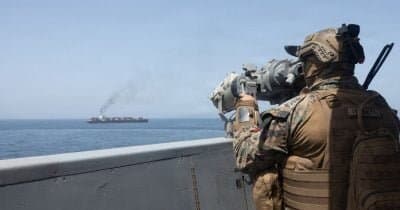
This vow for retribution has palpable implications amid the already fraught relationship between Iran and the United States. With the Strait of Hormuz effectively closed by Iranian authorities and military infrastructure under renewed threat from external forces, the stakes could not be higher. Hardliners within Iran may interpret this as an opportunity to consolidate power, while pragmatists are increasingly anxious about the repercussions such a stance could invite on the diplomatic stage.
Market Reactions to Khamenei's Statements
Market responses signal a growing concern surrounding Khamenei's public visibility. Current pricing indicates a meager 10% probability of Khamenei making a public appearance by the end of July, perhaps reflecting fears of political instability or even potential assassination threats. These fears have led to fluctuations in related markets, particularly around the likelihood of Khamenei's public engagements.
- Khamenei's call for revenge has generated significant movement in prediction markets, hinting at a shift in expectations.
- Market participants appear increasingly skeptical about Khamenei's public engagements, with implications for both domestic and international stability.
- The fluctuating odds underscore the precarious balance of power within Tehran's political factions.
Future Implications and Monitoring
As the situation develops, close attention should be paid to announcements from Iranian authorities regarding Khamenei's public appearances. Any shifts in his visibility could dramatically alter perceptions within both the Iranian populace and the international community. Furthermore, ongoing military actions or diplomatic overtures could shift the dynamics further, potentially exacerbating the tensions between hardliners and pragmatists in Tehran.
Investors and stakeholders should remain vigilant to the implications of this evolving scenario on Iran's geopolitical landscape and its broader economic ramifications.
This article is for informational purposes only and should not be considered financial advice.