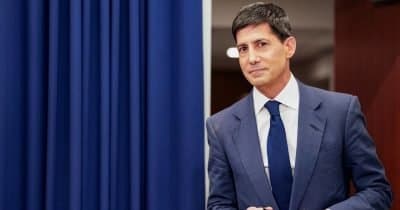
The anticipation surrounding the Federal Reserve's next interest rate decision is intensifying, particularly as new economic indicators suggest a more stable economy is grappling with persistent inflation. At the center of this scrutiny is Kevin Warsh, the recently appointed Chair of the Federal Reserve. His testimony this week is expected to provide crucial insights into the Fed's monetary policy direction.
Currently, the federal funds rate hovers between 3.50% and 3.75%, a range established following the latest FOMC meeting in June. The inflation rate, which surged to 4.2% in May the highest level since April 2023 has been significantly influenced by rising energy costs amid ongoing geopolitical tensions. This scenario has led market participants to reassess the likelihood of a rate hike, with a 59.5% chance now projected, up from 54% just a day earlier.
As markets await Warsh's testimony, the implications of his statements cannot be overstated. If he leans toward a more hawkish stance, indicating a readiness to raise rates, it could solidify this newfound market belief in a rate hike. Conversely, any hints of a dovish approach may lead to a reversal in market sentiment, creating uncertainty about the Fed's future actions.
The upcoming Federal Open Market Committee meeting on July 29 will be pivotal. Decisions made at this meeting will play a crucial role in shaping economic forecasts and potentially adjusting the trajectory of interest rates. As a result, investors and analysts will be paying close attention to how Warsh's comments align with recent economic data, including the reported 2.1% growth rate in GDP for Q1 2026, which appears to support a potential rate increase.
Understanding the nuances of Warsh's testimony is essential, as it may provide vital clarity on how the Federal Reserve intends to navigate the complex landscape of inflation and economic stability. Such insights can significantly impact market behavior and investment strategies moving forward.
This material is for informational purposes only and should not be considered financial advice.