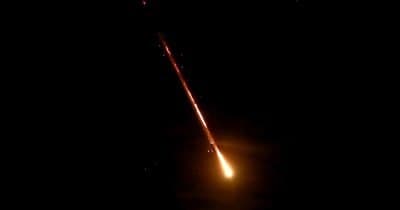
The interception of four Iranian missiles by Jordanian military forces marks a significant escalation in the ongoing conflict influenced by the broader geopolitical landscapes of the Middle East. This incident underscores not only the immediate threats facing Jordan but also the potential ramifications for regional security and international military alliances.
Escalating Threats Amid Failed Diplomacy
The missiles reportedly targeted Jordanian military assets that host U.S. forces. This attack highlights the continuing hostilities and the ineffectiveness of recent diplomatic efforts, including a ceasefire agreement in June that appears to have lost its validity in light of these escalated actions. The resumption of missile strikes signifies that the underlying tensions remain unresolved and prone to further military engagements.
As noted, the U.S. administration's stance regarding the ceasefire has shifted dramatically, suggesting a complex interplay of diplomacy and military readiness. The missile interceptions not only protect Jordanian assets but also showcase the country's strategic importance in the region, particularly as tensions between Iran and U.S. allies in the Middle East intensify.
Implications for Regional Dynamics and Economic Markets
The ongoing conflict has immediate and far-reaching implications for market participants and observers. While current market activity reflects heightened anxiety, it does not yet indicate a full airspace closure as a necessary measure against potential Iranian aggression. However, continuous military actions, such as these missile strikes, could lead to a reassessment of airspace policies throughout the region, which remain crucial for global trade and travel.
Observers are encouraged to monitor developments closely. Statements from Iranian officials and a potential change in military posture from the U.S. could signal whether a full airspace closure is impending. As seen in previous scenarios where increased military actions occurred, the market can react sharply, and investors should adjust their strategies accordingly. With analysts already expressing concerns about how rising tensions with Iran could disrupt Gulf markets, the international community must stay vigilant to forecast potential outcomes.
This material is for informational purposes only and should not be considered financial advice.