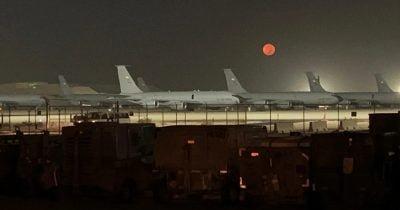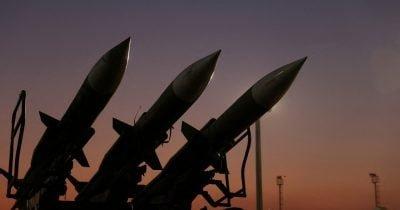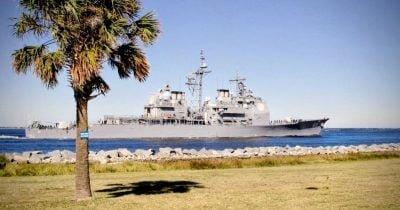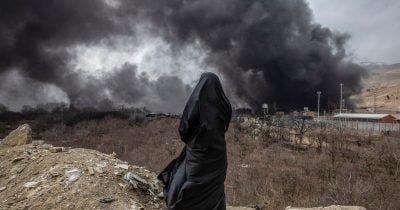
The recent military actions by Iran targeting U.S. positions across the Middle East represent a pivotal escalation in an already tense geopolitical climate. This series of strikes, reported by Press TV, is not merely another chapter in the long-standing conflict between the U.S. and Iran but signals a profound shift in Iran's military strategy, moving from defensive posturing to direct confrontations.
The Context of Escalation
Since the beginning of 2026, the conflict has been characterized by a pattern of tit-for-tat actions, with both parties engaging in military strikes aimed at demonstrating power without spiraling into full-blown war. However, the recent Iranian strikes indicate a definitive shift, possibly catalyzed by previous U.S. airstrikes on Iranian military assets. This development raises critical questions about the stability of the region and the potential for further conflict.
Market Implications
The heightened military activity has begun to influence market dynamics, particularly in sectors sensitive to geopolitical instability. Investors are increasingly pricing in the likelihood of a full airspace closure over Iran, with predictions suggesting this could be fully realized by July 31. Such an event would not only hinder air traffic but also disrupt supply chains and elevate oil prices, compounding existing market concerns about inflation and energy supply.
The fragility of the current ceasefire is evident, and many market participants are on high alert. Observers are closely monitoring communications from both Iranian and U.S. officials, especially any signals about de-escalation or continued military operations. Notably, any announcements from the Civil Aviation Organization of Iran regarding airspace management will be critical in determining market reactions.
Looking Ahead
As the situation develops, the potential for further military engagement remains high, with the recent strikes suggesting that diplomatic efforts may be insufficient to stabilize the conflict. Investors should prepare for a turbulent period as military actions could escalate, affecting not only regional stability but also global economic conditions. The implications of these developments extend beyond immediate military concerns, as they could shape the future of U.S.-Iran relations and influence broader geopolitical frameworks.
This material is for informational purposes only and should not be considered as financial advice.