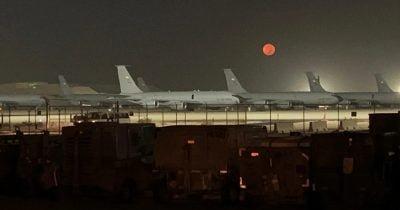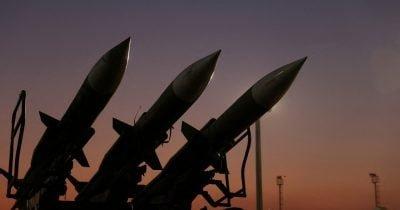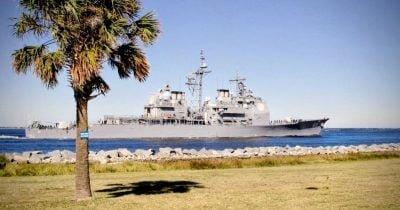
The recent U.S. military strike targeting a hilltop near the Kangan highway, close to Iran's Gulf coast, has significantly escalated tensions between the U.S. and Iran. This operation is part of a broader U.S. strategy aimed at degrading Iranian military capabilities, particularly in terms of air defense systems and radar installations. The context of this military action is essential, as it follows a series of attacks by Iran on commercial vessels in the strategically critical Strait of Hormuz, which is a vital passageway for global oil shipments.
With this latest strike, the stakes have been raised, and market participants are increasingly concerned about the implications of a potential full airspace closure by Iran. Current market pricing indicates a rising probability of such an event occurring by the end of July, with estimates now at 30%, a notable jump from just 16% a day earlier. This rapid change reflects heightened fears regarding regional stability and the ability of Iran to maintain open airspace amidst ongoing military hostilities.
Investors and analysts would do well to keep a close eye on announcements from the Civil Aviation Organization of Iran (CAOI). Any official notification indicating a closure of airspace could trigger immediate reactions in the markets, especially those related to energy and commodities, given the high stakes of air travel and shipping routes in this region.
Furthermore, statements from both the U.S. administration and Iranian state media will be critical to understanding the trajectory of this conflict. As we have seen in past instances, diplomatic efforts, such as those taking place in Qatar, could either mitigate or exacerbate the situation. The dynamic between military escalation and diplomatic intervention will be crucial for market sentiment in the coming weeks.
Ultimately, this escalation highlights the precarious balance of power in the region and the potential for widespread repercussions in both geopolitical and economic spheres. Investors should remain vigilant as the situation develops, considering both the risks and opportunities that may arise from this ongoing conflict.
This material is for informational purposes only and should not be construed as financial advice.