The ongoing tensions between Iran and the United States have escalated recently, with Iran accusing the U.S. of breaching a key Memorandum of Understanding (MOU) related to the waiver of sanctions on its oil exports. This accusation comes during a time of rising unrest in the region, particularly with power outages reported in Bahrain and Kuwait, which have led to speculation of possible sabotage tied to military actions. As hostilities continue, these developments could have significant repercussions for the broader geopolitical landscape and financial markets.
Significance of the Accusation
Iran’s assertion that the U.S. has violated the MOU is not just a diplomatic spat; it signals deepening mistrust and indicates potential roadblocks in the delicate negotiations surrounding Iran’s nuclear program. The MOU was meant to serve as a foundation for future talks, and breaches of this agreement could imply a regression in diplomatic relations that had been cautiously improving.
- Iran claims breach of Article 10 of the MOU, vital for sanction waivers.
- Power outages in Bahrain and Kuwait coincide with increased military activity.
- Market predictions show a diminishing likelihood of reaching a nuclear deal by the August deadline.
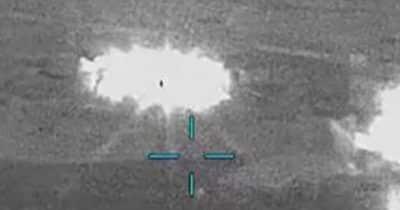
The resurgence of military operations instigated by U.S. and Israeli forces raises fears about the stability in Gulf regions and the broader implications for energy markets. Reports attribute the outages in Bahrain and Kuwait not to sabotage but to debris from intercepted aerial attacks, emphasizing the compatibility of increased military action with the deteriorating infrastructure.
Future Implications for Investors
As the situation unfolds, vigilance will be crucial. Key stakeholders, including the U.S. and Iranian governments, as well as intermediaries like Oman, will play vital roles in shaping future outcomes. The international market will closely monitor public statements from influential leaders, such as Iran’s Supreme Leader and U.S. officials, as these could profoundly affect perspectives on the viability of the nuclear negotiations.
Moreover, tracking military engagements and any subsequent breaches of the fragile ceasefire will offer insights into the shifting dynamics of both geopolitical and economic fronts. The direction this conflict takes could drastically alter oil prices and influence inflationary trends worldwide, similar to the impacts discussed in recent analyses.
Attending to Ongoing Developments
Market participants should stay alert to any shifts in ceasefire status, military activity, and diplomatic efforts. Future developments in this region are likely to affect investment strategies, particularly in energy and commodities markets. Investors should anticipate possible volatility as the August deadline for a nuclear deal approaches, which will further define the term’s implications.
This article is for informational purposes only and is not financial advice.