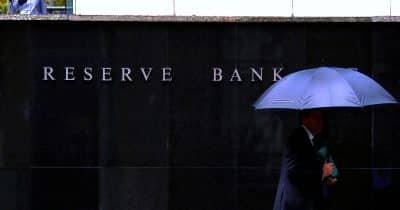
The ongoing conflict in Iran has ignited a significant alert from the Reserve Bank of Australia (RBA), highlighting its profound implications for inflation and global markets. Assistant Governor Chris Kent has pointed to the energy crisis stemming from disturbances in the Strait of Hormuz, warning that the resulting supply shocks could necessitate stricter monetary policies worldwide, stretching the limits of traditional central banking interventions.
Understanding the Stakes: Why This Matters
The RBA's warning indicates a larger systemic issue at play disrupted energy supplies and rising inflation challenge the efficacy of monetary policy. This situation suggests that no mere interest rate adjustments can fully contend with the realities of global supply disruptions, especially in commodities like oil.
- Approximately 10 million barrels per day have been knocked off global oil supply due to the Iran conflict.
- The World Bank anticipates a 24% increase in energy prices throughout 2026.
- Australian inflation rates are projected to escalate from 3.7% to potentially 5% by mid-year.
Central banks find themselves verging on a precarious decision-making precipice; tightening monetary policy during an economic downturn might risk exacerbating already strained conditions, while maintaining current levels could lead to soaring inflation expectations. In this context, Kent has indicated that the RBA's recent hike of the cash rate to 4.1% reflects the immediate challenges facing the economy amidst rising energy costs and output constraints.
Collective Implications for Markets and Investors
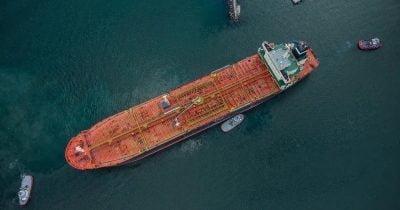
This scenario prompts a broader concern regarding market stability. The Strait of Hormuz, a crucial transit point responsible for approximately 20% of global oil supply, remains under threat. Prolonged disruptions can escalate energy prices, propagating a ripple effect across various sectors, from transportation to food production, compounding inflationary pressures.
Investors should watch closely as central banks worldwide may respond to these inflationary shocks in divergent ways, with ramifications particularly felt throughout risk assets, including cryptocurrencies, which are already sensitive to macroeconomic changes.
Looking Ahead: What Comes Next?
Future developments in the Iran conflict and its impact on oil supply will be critical metrics for investors to monitor. How central banks choose to navigate inflation vis-à-vis economic growth will significantly influence global asset prices, making it imperative for stakeholders to stay informed as the situation unfolds.
This material is for informational purposes only and does not constitute financial advice.