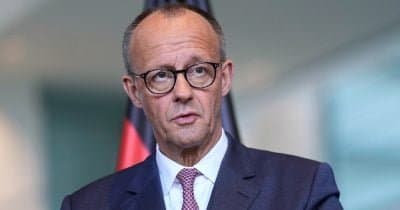
Chancellor Friedrich Merz of Germany recently addressed the contentious issue of currency manipulation during his diplomatic discussions with China. Specifically, he raised alarms over what he perceives as the undervaluation of the yuan, claiming it could be as much as 30% lower than its true value. This assertion stands in stark contrast to the International Monetary Fund's (IMF) estimate of a 16% undervaluation, illuminating a significant divergence in economic assessments that could have broad implications for global trade.
Merz's concerns reflect a pivotal change in Germany's economic engagement with China, which has ascended to the status of Germany's largest trading partner. Historically, this dynamic has been symbiotic; however, rising apprehensions about Beijing's currency practices may sour relations. By calling for dialogue reminiscent of the 1985 Plaza Accord, which aimed to rectify currency imbalances among major economies, Merz signals an increased urgency within Europe to take a firm stance against perceived economic injustices.
Potential Implications for Trade Relations
The growing calls for intervention in currency valuation practices are not merely political statements; they could significantly shape the framework of international trade agreements. If Germany successfully initiates discussions that culminate in tangible policy changes regarding the yuan, this may lead to broader reforms within the European Union, aligning its trade policies more closely against perceived manipulative practices by China.
Market sentiment is already feeling the effects of these diplomatic overtures. Investors are increasingly concerned about the ramifications of China's currency policies on future global GDP growth, particularly as forecasts for China's economy are closely tied to its exchange rate. With projections for China's GDP growth in 2026 becoming more ambiguous, any firm commitments from the EU or other international bodies on currency regulation could stabilize or destabilize market expectations significantly.
Monitoring Diplomatic Developments
The trajectory of Germany's diplomatic efforts in this domain will warrant close observation. Key indicators will include any formal agreements that echo the ethos of the Plaza Accord and statements from influential economic authorities such as the IMF or the U.S. Treasury. These developments may indicate a shift in how global markets respond to currency practices and could reshape the landscape of international trade.
As the situation unfolds, the global trading community must remain vigilant. Understanding the nuances of these dialogues and their potential outcomes will be crucial for anticipating market movements and shifting economic policies in the near future.
This article is for informational purposes and does not constitute financial advice.