Recent explosions in the southern Iranian city of Bandar Abbas have raised significant alarms amid the fragile state of regional stability, particularly in the context of ongoing tensions following a ceasefire in the US-Israel conflict with Iran. The ceasefire, which has been in effect since April 8, 2026, has not managed to fully stem hostilities, as evidenced by recent military strikes targeting key infrastructural locations within Iran.
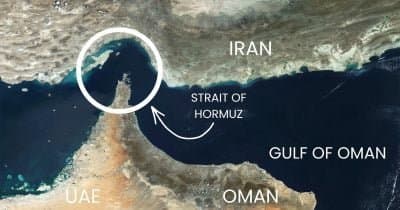
Bandar Abbas stands out as a critical naval hub due to its strategic location near the Strait of Hormuz, a pivotal corridor through which a substantial portion of the world's oil trade passes. This latest development suggests not only an escalation in military activity aimed at undermining Iran’s control over this region but also signals a potential shift in the dynamics surrounding Iran’s governance.
Market participants are responding to these uncertainties, increasingly betting on the possibility of regime change in Iran, with recent indicators suggesting an 8.5% probability that the regime could fall before 2027. Such sentiments reflect broader concerns about Iran's stability and the implications of persistent military friction, despite the existence of a ceasefire. The potential impact on both regional security and global oil markets cannot be understated; fluctuations in oil prices could arise as investors react to heightened risks associated with supply routes.
As the situation evolves, it is crucial to observe any official communications from the Iranian government regarding the blasts, as well as developments in ongoing US-Iran diplomatic discussions set to take place before July 31, with current probabilities of negotiation at 30.5%. The outcome of this dialogue will likely play a critical role in shaping market expectations around both Iran's internal stability and broader geopolitical relationships.
In summary, the explosions in Bandar Abbas may serve as a turning point, influencing not only the trajectory of Iran's political landscape but also the steady flow of oil in a market that thrives on predictability. The interplay of military actions and diplomatic negotiations will be key factors to watch moving forward, both for regional actors and the global oil economy.
This article is for informational purposes only and does not constitute financial advice.