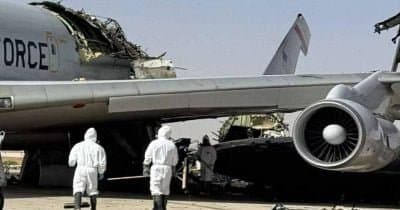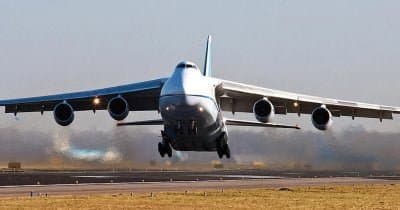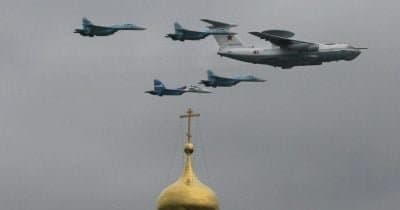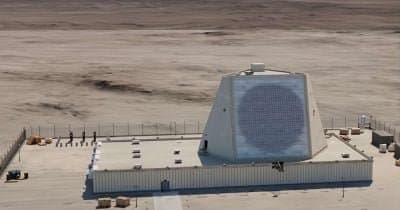
The current geopolitical tensions between the United States and Iran have reached a new pinnacle, as the U.S. military has commenced targeted operations against Iranian radar networks and air defense systems. This aggressive maneuver is part of the ongoing military operations in the 2026 Iran war, following the collapse of a ceasefire agreement. Such actions are critical as they not only highlight the deteriorating relationship between the two nations but also signal a possible shift in the balance of power within the region.
Context of Increasing Hostilities
The recent targeting of Iranian military infrastructure indicates a strategic U.S. move aimed at crippling Iran's defensive capabilities. By neutralizing Iran’s ability to detect incoming aircraft, the U.S. military is likely preparing the groundwork for more extensive airstrikes. This development is underscored by a series of renewed hostilities, particularly highlighted by an Iranian attack on a commercial vessel in the strategically significant Strait of Hormuz. Such incidents demonstrate the volatile nature of maritime security in the region, which remains a vital artery for global oil transportation.
Market Reactions and Implications
The implications of these military actions extend beyond the battlefield and into global financial markets, particularly in the oil sector. Market pricing currently reflects an increased probability of a full closure of Iranian airspace by the end of July, with estimates suggesting a likelihood as high as 23.5%. This prediction is significant; should the airspace close, it could severely disrupt not just regional air travel but also global oil supply chains, potentially leading to increased prices as markets react to perceived risks.
Investors and analysts are advised to keep a close eye on statements from the Iranian Civil Aviation Organization as well as any announcements pertaining to airspace operations. The near-term outlook remains fluid, with the potential for further U.S. strikes and Iranian retaliation looming overhead. Such developments would be key indicators of the conflict's trajectory and could influence market stability.
Long-term Consequences for Geopolitical Stability
The ongoing U.S.-Iran conflict raises critical questions about regional stability. As military actions escalate, the risk of miscalculation increases, which could lead to wider regional conflict involving other nations. Moreover, the potential for a protracted military engagement could have lasting ramifications on oil prices and investor confidence in the Middle East as a whole. It is essential for observers to monitor any signs of de-escalation, such as diplomatic overtures from U.S. officials or shifts in Iranian airspace policies.
This article is informational and should not be considered financial advice.