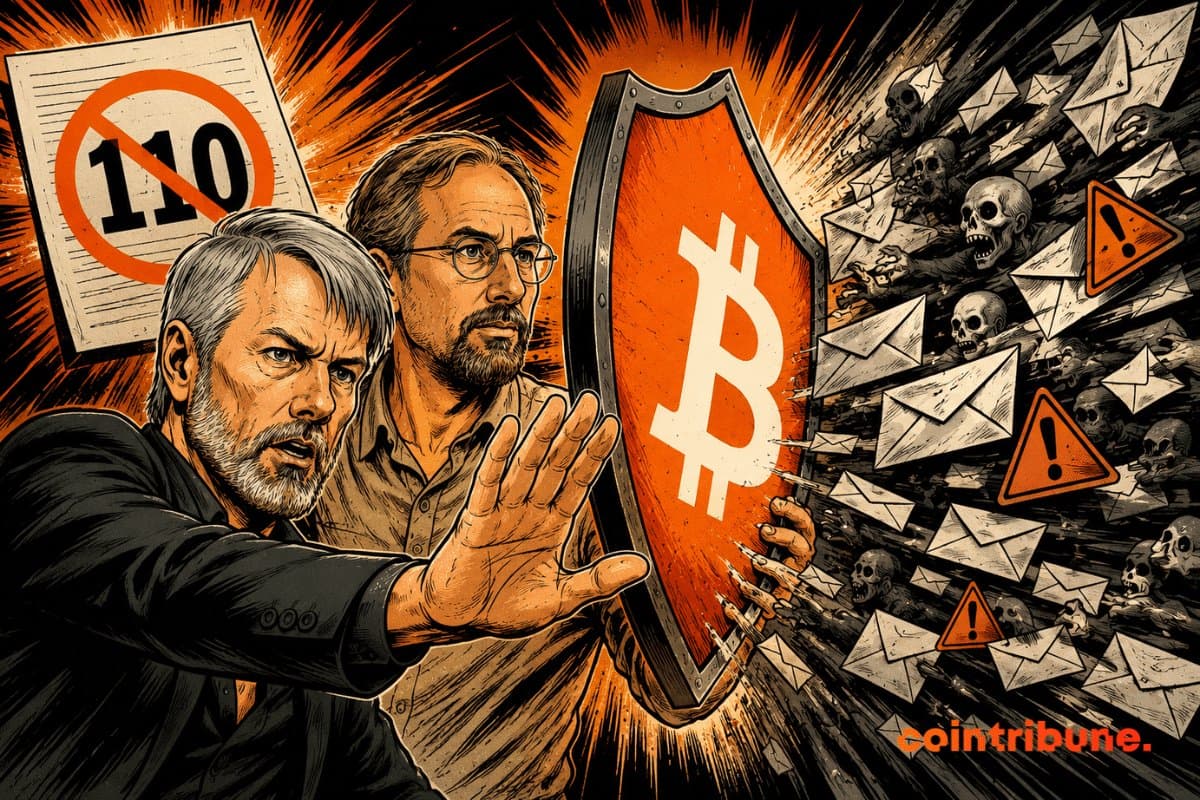
The ongoing discourse surrounding the BIP-110 proposal has placed Bitcoin's fundamental principles under scrutiny, reigniting vital debates within the community about the balance between evolution and the preservation of its core philosophy. This proposal, introduced in December 2025, is designed to restrict non-monetary transactions including Ordinals inscriptions on the Bitcoin network, thereby attempting to maintain its primary function as a peer-to-peer payment system. Proponents argue that limiting these so-called ‘spam’ transactions will reduce unnecessary clutter on the blockchain, improving overall performance.
However, the resistance from influential figures like Michael Saylor and Adam Back highlights the potential risks tied to such interventionist measures. Saylor contends that the threats posed by BIP-110 could overshadow the issues it aims to address. By invalidating certain ordinary transactions, the proposal could undermine the network's credibility among its users. This concern reflects a broader apprehension regarding any alterations that could dilute Bitcoin's decentralized nature, which has been its defining characteristic since inception.
Adam Back echoes this sentiment, positing that the introduction of controls could conflict with Bitcoin's foundational principles. He emphasizes that decentralization ensures that no single group should dictate the path forward for all participants in the ecosystem. This debate thus transcends technicalities; it touches upon the very ethos of Bitcoin as a democratized currency.
The current status of BIP-110 activation is telling, with only 1% of block support during the last signaling period. This lack of backing signals that the broader community might not be ready to embrace such significant changes. The hesitance to adopt BIP-110 is indicative of a community that values Bitcoin's original use case and sees the potential for detrimental impacts of this proposal.
This ongoing controversy around BIP-110 not only highlights the challenges of governance in decentralized ecosystems but also serves as a reminder of the delicate balance between innovation and tradition in the rapidly evolving crypto landscape. As the debate unfolds, it is crucial to consider the long-term implications of any changes made to the Bitcoin protocol, particularly for investors and stakeholders who rely on the network's stability and trustworthiness.
This material is informational and should not be considered financial advice.