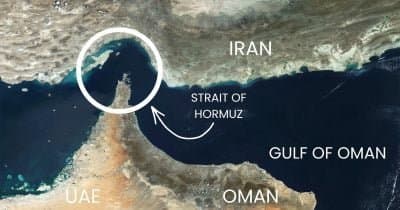
In a recent analysis by Bloomberg Markets, John Sfakianakis sheds light on the strategic implications of Iran's naval exercises in the Strait of Hormuz. These maneuvers come at a time when tensions are high following the ceasefire in the 2026 Iran war, compelling observers to question the future of US-Iran relations.
Heightened Tensions in a Critical Waterway
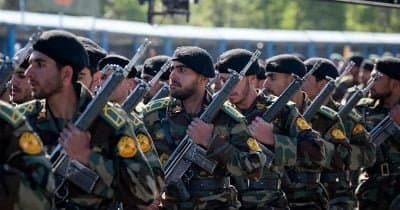
The Strait of Hormuz is a vital chokepoint for global oil supplies, making Iran's military activities there particularly significant. By conducting exercises with the Islamic Revolutionary Guard Corps (IRGC), Iran is clearly signaling its readiness to challenge US naval operations. This provocative posture could lead to an escalatory cycle, especially with recent US military responses to Iranian aggression aimed at commercial vessels.
Implications for Peace Talks and Market Sentiment
According to the Bloomberg report, the ramifications of these developments may extend beyond military tensions to influence the diplomatic landscape. Market participants are becoming increasingly skeptical about the likelihood of US-Iran peace talks, particularly those planned to occur in the UAE. With the possibility of diminished optimism for negotiations, investors should brace for volatility in markets tied to geopolitical stability.
- US military presence in the region is challenged by Iran's maneuvers.
- Potential decrease in optimism for future peace talks may lead to market fluctuations.
- Key players' responses are crucial for determining diplomatic outcomes.
As the situation unfolds, all eyes will be on statements from both the US and Iranian governments. Developments that suggest a commitment to dialogue, such as neutral meeting locations or conciliatory statements, could have a positive impact on market sentiment.
This article is for informational purposes only and should not be considered financial advice.