The recent military actions between the United States and Iran represent a worrying escalation in tensions that could have far-reaching implications, not just for the region but for global markets.
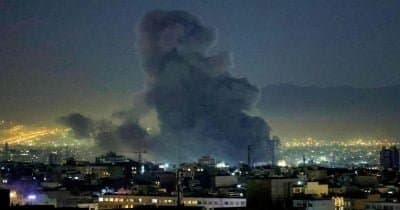
Reports indicate that the US has conducted a series of strikes against Iranian targets following an Iranian attack on an American base in Kuwait. This marks the third round of strikes in a week, signaling a marked increase in military engagements. The Central Command's confirmation of these operations underscores the seriousness of the situation, which follows a ceasefire violation by Iran that has drawn international scrutiny.
Market Reactions and Predictions
Prediction markets are reacting strongly to these developments, with the likelihood of Iran undertaking military actions against Gulf states rising sharply to 82%. This is a significant increase from earlier predictions and reflects the market's perception of escalating tensions. Additionally, the odds of a US invasion of Iran now sit at 17.5%, indicating a growing sentiment that broader military conflict could be on the horizon.
These predictions are influenced by Iran's expanding drone capabilities and provocative maneuvers in the strategically vital Strait of Hormuz, which could disrupt global oil flows and negotiations.
Implications for the Future
As tensions rise, it is crucial for observers to keep a close eye on diplomatic developments and military responses, as these will likely shape market perceptions moving forward. Key points to monitor include any official statements from US or Iranian leaders, potential mediation efforts by international actors, and shifts in military posturing. Actions taken by President Trump or Iranian leadership could dramatically alter market expectations and influence the geopolitical landscape of the Middle East.
This article is informational and does not constitute financial advice.