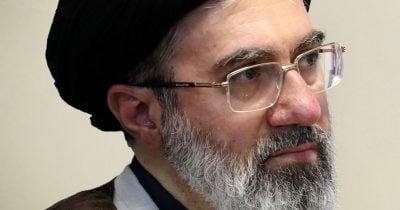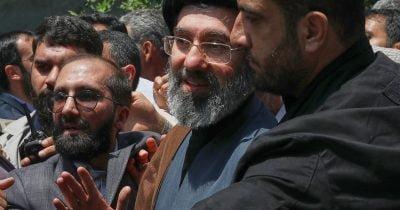
The absence of Iran’s newly appointed Supreme Leader, Mojtaba Khamenei, from public view since his rise to power in March 2026 raises significant concerns regarding the stability of leadership and governance in the country. Following the assassination of his father, Ali Khamenei, the junior Khamenei’s sustained seclusion indicates underlying tensions within the political framework of Iran.
Reuters has noted the complete lack of public appearances, photographs, or voice recordings of Mojtaba, leading many to speculate about the potential risks to his safety. Reports have linked this isolation to fears of assassination attempts and possible injuries stemming from the violent event that claimed his father's life. Such concerns are not trivial; they highlight a potential power vacuum that could lead to instability within the already fractured political landscape of Iran.
Emerging Influence of the IRGC
The Iranian landscape has been dominated by the Islamic Revolutionary Guard Corps (IRGC), which has significantly increased its influence during this uncertain period. With Mojtaba reportedly conducting decision-making through handwritten messages and audio calls, there is a distinct possibility that the IRGC may be filling the void created by his absence. This shift in power dynamics is crucial to monitor, as it suggests the military’s growing centrality in governance, which could alter the traditional civilian-military balance in Iran.
Market Implications and Political Forecasting
As the financial markets react to geopolitical developments, the prolonged absence of Mojtaba Khamenei feeds speculation about potential leadership changes that could affect economic and social policies in Iran. Observers are keenly watching for any formal announcements from the Assembly of Experts, which could signal a transition in governance. Any public resurgence by Khamenei may bear significant weight on market perceptions, potentially influencing pricing trends across various sectors.
The volatility in governance could lead to either retraction or consolidation of power within the Iranian regime. The role of the IRGC stands at the precipice of scrutiny, as shifts in its influence could lead to both stability and unrest. Stakeholders in the region and beyond should prepare for unpredictable outcomes as developments continue to unfold in Iranian politics.