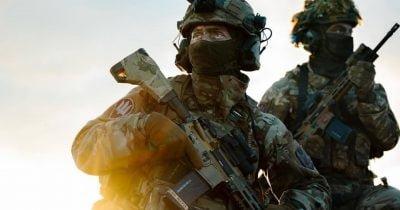
NATO's endorsement of Ukraine's intensified military operations against Russia marks a significant strategic shift in the ongoing conflict. As underscored by Finnish President Alexander Stubb, this alignment signals not only a reinforcement of Ukraine’s military capabilities but also a concerted effort to disrupt Russian logistics and command structures.
Analyzing the Strategic Implications
The support from NATO coincides with Ukraine's recent long-range strike on the Dubna Space Communications Centre, an act that exemplifies a deeper engagement in targeting Russian infrastructure. Such escalations reflect a broader strategy aimed at diminishing Moscow's offensive capabilities, especially in light of recent Russian drone and missile attacks on Kyiv that resulted in civilian casualties. The implications of NATO's backing could extend the conflict timeline, possibly leading to a situation where both parties remain entrenched and unwilling to compromise.
Market Reactions and Future Outlook
Market sentiment appears to be adjusting in response to NATO's support, with a notable reduction in the perceived likelihood of a Russian advance into significant Ukrainian cities, such as Sloviansk, by the end of 2026. This shift in market pricing indicates a growing belief that Ukraine's military actions, bolstered by NATO, could effectively stall Russian ambitions.
Investors should remain vigilant as the situation evolves. Heightened military engagements without a ceasefire could reshape investment strategies, prompting a reallocation of resources in related markets.
What Lies Ahead
As the conflict continues, key players like Vladimir Putin and Volodymyr Zelenskyy will significantly influence the next stages. Observers should closely monitor any diplomatic shifts or announcements from these leaders that could alter the current trajectory of the conflict. The absence of a ceasefire, alongside potential new military engagements, could lead to prolonged instability in the region and consequently impact global markets.