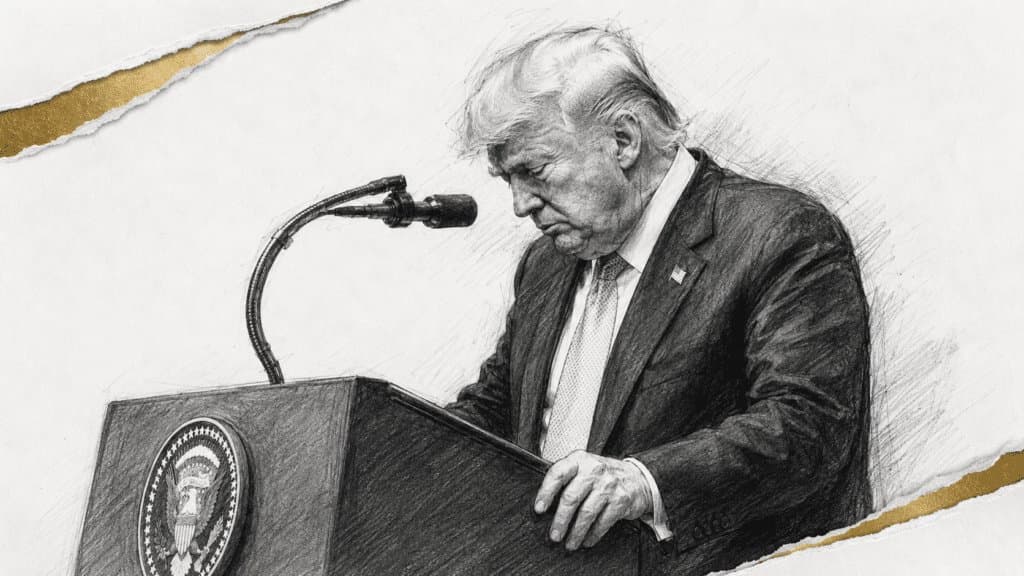
The push for the CLARITY Act has gained significant momentum recently, with former President Donald Trump urging the Senate to pass this critical legislation. His statement highlights the geopolitical stakes involved in crypto regulation, particularly in relation to China's ambitions in the digital asset space.
In a post on Truth Social, Trump emphasized the need for the U.S. to maintain its leadership in financial innovation, contrasting it with China's efforts to dominate both cryptocurrency and artificial intelligence. This call to action marks a noteworthy moment, particularly as lawmakers are in the midst of negotiations to finalize the bill, combining various legislative efforts from the Senate Banking and Agriculture committees.
Legislative Landscape and Challenges
The Senate Banking Committee approved its version of the CLARITY Act earlier this year, but challenges remain. The bill aims to delineate oversight responsibilities between the Securities and Exchange Commission (SEC) and the Commodity Futures Trading Commission (CFTC), while also mandating consumer protections and transparency for crypto companies.
However, the current political landscape complicates matters. As Senate negotiators aim for a vote during the week of July 20, they will need at least 60 votes to avoid a filibuster. This necessitates bipartisan support, particularly from Democratic senators who have expressed concerns over ethics restrictions related to financial ties between lawmakers and the crypto industry.
Ethics Concerns and Trump's Financial Ties
The ethical implications of the CLARITY Act have intensified in light of Trump's recent financial disclosures, which revealed over $1.4 billion earned from his family's crypto ventures. This revelation raises questions about potential conflicts of interest and has prompted Democratic lawmakers to push for stricter regulations that would restrict the president, vice president, and other senior officials from having financial connections to crypto businesses.
As negotiations continue, the outcome of the CLARITY Act could set a precedent for how digital assets are regulated in the U.S. and could either bolster or hinder the growth of the cryptocurrency market. The urgency of this legislation cannot be overstated, as the implications extend beyond domestic considerations; they touch upon international competition, especially with nations like China actively seeking to shape the future of financial technology.
In conclusion, the fate of the CLARITY Act will likely reflect broader sentiments regarding the U.S.'s stance on innovation, competition, and regulatory oversight in the rapidly evolving crypto landscape. Investors and market participants should closely monitor these developments, as they may significantly influence market dynamics and regulatory frameworks.
This article is for informational purposes only and does not constitute financial advice.