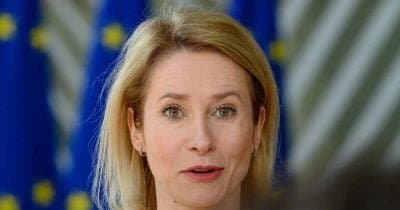
The recent statements from Kaja Kallas, the EU’s High Representative for Foreign Affairs, have cast a shadow of uncertainty over the energy markets, particularly concerning the future of the $44.10 per barrel cap on Russian oil. If there’s no agreement by July 15, this price cap could lapse, which would likely lead to higher oil prices and increased market volatility.
This cap was initially designed to limit Russia's ability to finance its military operations while allowing its crude oil to flow freely into the global market. Without this constraint, Russian oil might trade at rates reflecting its true market value, exacerbating the rising prices driven by existing geopolitical tensions, such as those between the US and Iran.
The deadlock among EU foreign ministers regarding a 21st sanctions package against Russia is not surprising, given the complexities of EU consensus politics. The bloc requires unanimous agreement, allowing any single member nation to potentially hinder decisions. Southern European countries have reportedly expressed concerns over proposed restrictions affecting Russian fish imports as opposed to solely focusing on oil revenue.
Interestingly, Kallas herself is advocating for a decrease in the cap level, which indicates a push for stronger measures against Russia rather than merely extending current limits. There is speculation about a potential three-month extension as EU diplomats continue their negotiation discussions. Meanwhile, Russian President Vladimir Putin has countered by extending a ban on supplying oil and products subject to the cap until 2027, indicating his long-term strategy for circumventing the restrictions.
Despite Russia’s ability to adapt through alternative trading arrangements and shadow fleets, the formal application of the cap still significantly impacts how Western financial entities engage with Russian crude. Investors and analysts should keep a close eye on the negotiations on July 14, as the outcomes here could fundamentally alter the energy landscape.
In addition to these developments, June saw the EU agree to extend its overall sanctions against Russia for an additional year, signaling enduring commitment to economic pressures. With the 21st sanctions package still pending, its successful completion is pivotal in advancing the EU’s strategy against Russia; if it succeeds in doing so by mid-July, it may offer additional leverage in stabilizing the energy market.
This is an informational piece and not a financial recommendation.