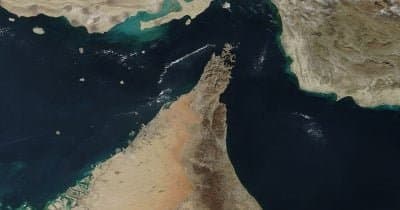
The recent opposition from the United Nations' International Maritime Organization (IMO) regarding the proposed navigation fees for the Strait of Hormuz reveals significant implications for international shipping and geopolitical stability. The IMO's position underscores adherence to international law, specifically the United Nations Convention on the Law of the Sea (UNCLOS), which guarantees toll-free transit passage through strategic straits. This reaction comes amidst reports that the United States is considering a 20% fee on cargo traversing this vital shipping lane.
This move by the US not only contradicts established agreements but could also heighten diplomatic tensions in an already volatile region. The proposed fees would add a financial burden on international shipping, potentially impacting broader economic activities. The Strait of Hormuz, a critical chokepoint for global oil supplies, sees about one-fifth of the world's oil transiting through it, making any change in its operational costs particularly significant.
Market Reactions and Implications
As a direct consequence of these developments, market pricing related to Iran’s potential decision to impose fees has seen notable increases. For instance, forecasts concerning Iran charging such fees by July 15 have surged to 10.7%, up from a mere 4% just a day prior. This uptick reflects growing market anxieties regarding the implications of US policy and its potential to disrupt established norms in maritime trade.
- The longer-term market outlook, anticipating events around August 31, shows an even higher probability of fee imposition at 47.5%.
The stark contrast between immediate and longer-term predictions indicates that while short-term disruptions are being priced in, the market is also bracing for what the expiration of the recent US-Iran agreement might bring.
Monitoring Developments
Going forward, stakeholders should keep a close watch on any announcements from the Iranian government or the Islamic Revolutionary Guard Corps (IRGC) regarding the toll-free navigation period. The dynamics surrounding US-Iran negotiations are crucial, as they could dramatically influence market expectations. Furthermore, insights from major shipping firms or international bodies like the IMO are likely to shape whether Iran will ultimately levy these fees, thereby affecting global trade patterns.
This analysis is for informational purposes only and should not be considered financial advice.