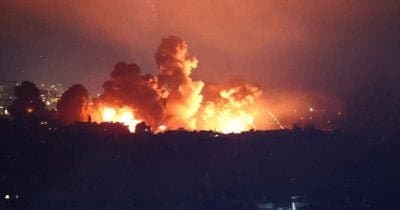
The recent release of video evidence showing massive explosions in southern Lebanon by the Israeli military underscores the alarming escalation in the ongoing conflict that reignited in March 2026. This conflict has seen Hezbollah launching missile and drone attacks, prompting Israel to respond with targeted strikes aimed at dismantling Hezbollah's extensive underground infrastructure. The Israeli Defense Forces (IDF) emphasize that these operations are crucial for establishing a 'security zone' to protect its borders from perceived threats. However, the continuation of military actions despite a U.S.-brokered ceasefire framework raises critical questions about the future of peace in the region.
The military footage reflects not just a tactical maneuver by Israel but also indicates a broader strategic intent. The IDF’s operations are indicative of a military approach that could further entrench Israel’s position in a region already fraught with tension. Significantly, this situation is impacting market perceptions, particularly in prediction markets that suggest an increased likelihood of Israel conducting operations in multiple neighboring countries throughout 2026.
Market Reactions to Ongoing Military Actions
The continuation of Israeli airstrikes has led to volatility in markets sensitive to geopolitical developments. Investors and analysts are closely monitoring the implications of these military actions, considering how they might bolster or undermine regional stability. The increased military activity may shift market dynamics significantly, as entities reassess the risks associated with investments in the region. Resources tied to oil and defense sectors are likely scrutinized for their responsiveness to the conflict's developments.
Implications for Future Diplomatic Efforts
The persistence of military operations by Israel complicates prospects for a lasting peace deal. With key figures such as Israeli Prime Minister Benjamin Netanyahu and Hezbollah leadership poised to make critical statements, any shifts in rhetoric or strategy could greatly influence market confidence. Furthermore, the role of U.S. involvement remains vital; their mediation efforts will be observed closely as they could either facilitate dialogue or exacerbate tensions.
In conclusion, the current military actions in Lebanon not only reflect Israel's tactical responses but also illustrate the fragile state of regional stability. As the situation evolves, investors and policymakers must remain vigilant, ready to adapt to the continuous changes in the geopolitical landscape.
This material is for informational purposes only and should not be considered financial advice.