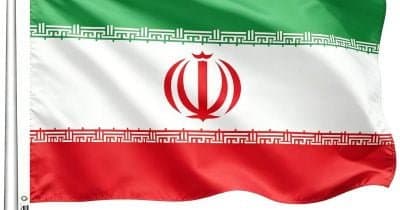
Iran's Deputy Foreign Minister has flatly rejected reports of recent direct negotiations with the United States. The statement came amid escalating tensions over the Strait of Hormuz, nuclear enrichment, and military posturing in the Persian Gulf. Tehran's position directly contradicts Washington's claims that talks are underway, signaling that any ongoing discussions happen strictly through go-betweens like Oman or Qatar.
The Numbers Don't Add Up
Market pricing in prediction markets has shifted sharply downward on the odds of a direct U.S.-Iran meeting by September 30, 2026. That's a concrete signal: traders who monitor diplomatic developments are pulling confidence off the table. The gap between what each side is saying for public consumption has widened. Washington insists negotiations continue. Tehran insists they don't. When both parties disagree on whether talks are even happening, you've hit a wall.
The Strait of Hormuz remains the flashpoint. Nearly a third of global seaborne oil passes through those waters annually. Iran has use there, and it knows it. The nuclear program adds another layer, with Tehran continuing to advance enrichment capabilities while the international community watches.
Who's Listening Now
Intermediaries are doing the heavy lifting. Oman and Qatar have acted as backchannels before and likely continue now. But there's a qualitative difference between having someone carry a message and sitting across the table from the other side. Indirect talks move slower, leave more room for miscommunication, and carry less political weight back home.
Watch for statements from mediators in the coming weeks. If Oman or Qatar announce anything concrete about meeting logistics or timing, that's your signal the talks are still alive somewhere. Military incidents in the Gulf could snap the thread altogether. Geopolitical shocks have a way of making diplomats unreachable fast.
This article is for information purposes only and does not constitute financial or geopolitical advice.