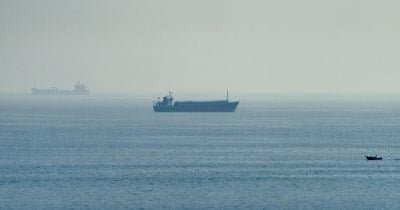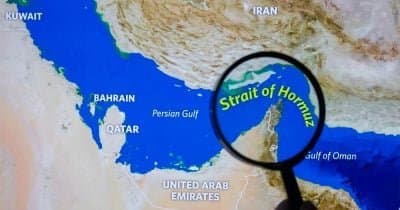
Ships moving through the Strait of Hormuz could soon pay Iran voluntarily for security and rescue services, according to a Wall Street Journal report citing sources familiar with negotiations. The arrangement marks a shift from mandatory toll proposals that had threatened to upend one of the world's most critical trade corridors.
The deal takes shape as Oman brokers broader talks between Iran, the U.S., and Gulf states over Strait management. Shipping had been disrupted by the 2026 U.S.-Israeli conflict with Iran, and regional powers are now working to restore stability. Iran would cover operating costs, primarily for maritime security patrols and search-and-rescue operations, through these voluntary contributions rather than imposing hard charges.
The voluntary model sidesteps the thorniest political issue. Mandatory fees would have triggered alarm in Washington and among Gulf partners, threatening the entire reopening effort. Voluntary payments let Iran generate revenue without the formal treaty obligations that would require regional consensus. It's softer politics dressed up as cooperation.
Market bets shifting against formal fees
Prediction markets have already priced in skepticism about Iran actually collecting mandatory transit fees by the original August 31 deadline. Recent pricing movements show declining confidence in formal fee implementation by year-end, with odds dropping across various resolution dates. The voluntary arrangement, if formalized, would likely be the endgame.
Watch for official statements from either Tehran or Muscat on payment specifics. Iranian lawmakers or U.S. officials could reshape expectations with a single comment. Any formal agreement announced in the coming weeks will signal whether this voluntary framework actually takes hold or collapses under pressure.
This article provides market and geopolitical context. It is not investment advice and does not constitute a recommendation to trade or hold any asset.