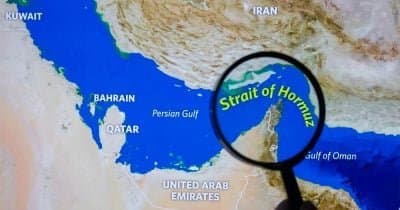
Tehran and Muscat are hammering out a shipping agreement that could unlock the Strait of Hormuz, one of the world's most critical maritime passages. But Iran is digging in on a key condition: it wants a seat at the table controlling traffic flow through the waterway.
The negotiations, mediated by Oman and tied to broader U.S.-Iran talks, are moving toward what looks less like an outright reopening and more like a managed handshake. Iran's insistence on maintaining oversight complicates the picture. Washington had been hoping for a cleaner resolution, but Tehran views any agreement as a chance to cement its regional use rather than simply restore normal shipping lanes.
What the numbers suggest
Prediction markets are pricing in caution. The odds of a full U.S.-Iran accord on Hormuz by mid-August have dipped into moderate territory, reflecting skepticism that Iran's demands will be easily brushed aside. Traders are watching for any slip-up in the negotiations, particularly statements from Trump or Iran's Foreign Minister Abbas Araghchi that could signal either breakthrough or breakdown.
Oman's role as middleman will be decisive. The sultanate has quietly built credibility in these talks, and how it frames concessions on both sides could determine whether this moves toward a deal or stalls. Even small wins, like preliminary agreements on vessel inspection protocols or traffic monitoring, would likely move markets.
The real test comes in the coming weeks. Any hint that Iran is softening on its control demands, or conversely that it's hardening its position, will ripple through energy and shipping markets instantly. Right now, the street is betting on a slow crawl toward compromise rather than a sudden breakthrough.