Iran's Foreign Ministry is signaling that a deal with Oman over the Strait of Hormuz is close. The catch: third parties need to stay out of it. The announcement alone shifted market odds on a broader U.S.-Iran agreement, jumping from 62% to 69.5% for an August 15 resolution, suggesting traders see real momentum building.
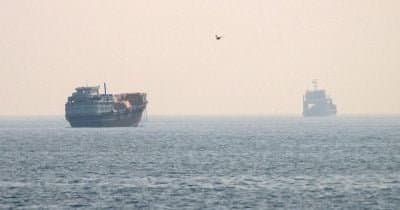
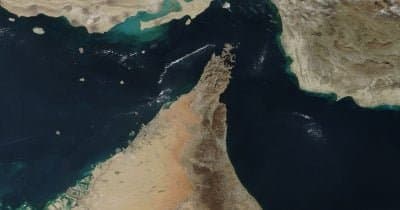
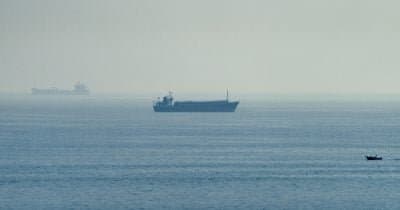
What's being negotiated is nothing small. The Strait of Hormuz moves roughly a third of the world's oil and liquefied natural gas by sea. Right now it's a flashpoint where military posturing, economic use, and regional power plays collide. Any new rules governing how ships move through there could reshape energy markets and geopolitics simultaneously.
The Iran-Oman talks focus on formalizing vessel movement and tightening maritime safety protocols. On the surface that sounds technical, but it's really about reducing how much external powers, particularly the U.S., can control or influence traffic through the strait. If Iran and Oman finalize their own agreement, it could create space for a larger U.S.-Iran understanding without either side losing face domestically.
The warning about "third parties" is deliberate. Iran's message is blunt: this works only if Washington doesn't undermine it, and if other regional actors don't use it as use. Markets are reading that as a genuine effort to get a deal done, not just posturing. Shipping patterns and military movements around the strait will matter enormously in the coming weeks. Any buildup of naval assets or unexpected statements from Washington could flip the momentum fast.
This article is informational and does not constitute financial advice. Market predictions on geopolitical events carry substantial uncertainty.