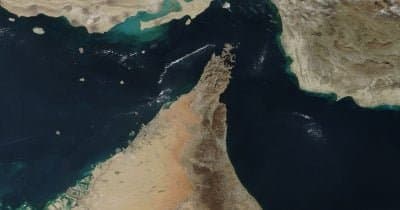
Donald Trump says a breakthrough is coming fast. Within two days, the former president predicts, Washington and Tehran will lock down terms on the Strait of Hormuz, one of the planet's most critical oil and gas chokepoints. That's the optimistic read. Iran, meantime, is making clear it won't budge on who calls the shots in those waters.
The negotiations matter because roughly 30% of the world's seaborne oil passes through the strait. When the corridor gets blocked or when uncertainty spikes around it, energy markets convulse. Traders have already started pricing in the possibility of a deal, pushing odds to 69.5% by mid-August, up from 62% just a day earlier. That's a sharp move, and it reflects real money betting Trump's timeline might hold.
The Iran factor
Here's where it gets sticky. Iran isn't negotiating from a place of weakness. The country has spent decades asserting dominance over the strait, and officials aren't about to hand that away quietly. Control matters, both symbolically and practically. It means inspection rights, use over shipping, and a seat at the table whenever maritime tensions flare. Abbas Araghchi and other Iranian negotiators will likely hold firm on maintaining some form of oversight.
For the U.S. side, the goal is simple: reopen the channel, stabilize oil flows, and avoid a regional escalation. But "oversight" is where the two sides collide. One person's security arrangement is another's occupation. That gap hasn't narrowed in decades of talks.
What traders are watching
Prediction markets are already pricing in the Trump timeline, which itself is a statement about confidence. But statements from actual negotiators will move things faster than any forecast. A single comment from Iranian or American officials about "progress" or "stalled talks" could swing sentiment. Similarly, any spike in military activity or changes in shipping traffic through the region would signal whether the diplomatic window is still open or closing.
Oil prices, for now, are holding steady. Markets typically calm when deal odds tick higher, which is exactly what's happening. But if the 48-hour window passes without a breakthrough, that complacency evaporates quickly.
This is informational material only, not financial advice. Geopolitical developments can shift market expectations rapidly.