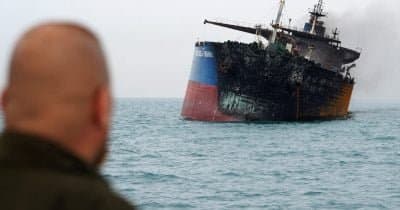
August 3, 2026. Threats against oil tankers crossing the Middle East have reached their most dangerous point since the Iran conflict escalated, analysts told BBC News. The maritime attacks center on the Strait of Hormuz, where Iranian forces have targeted or threatened commercial vessels repeatedly over recent months.
Shipping through the chokepoint has dropped sharply as companies reroute cargoes and ramp up insurance costs. One tanker attack or credible threat can now cost owners hundreds of thousands extra in war-risk premiums. Some carriers have stopped operating in the corridor entirely.
Prediction markets are pricing this bleak outlook into their numbers. The odds of the Strait normalizing by August 31 sit at just 12.5%, up slightly from 10% the day before. That gap, though small, signals traders see no quick diplomatic exit from the current standoff.
Iran has so far rejected overtures to reopen the waterway. U.S. and Israeli officials continue military operations in the region, and each side watches the other for any signal of backing down. Observers tracking real-time vessel movements report container ships and oil carriers are choosing longer, costlier routes around Africa rather than risk passage through Hormuz.
What happens next depends on whether Trump moves toward talks with Iran or keeps the pressure on. Peace announcements or military de-escalations could flip market sentiment overnight. Until then, tanker owners and insurers brace for months of disruption and elevated costs.
This article covers market analysis and geopolitical risk. It is informational only and does not constitute financial or investment advice.