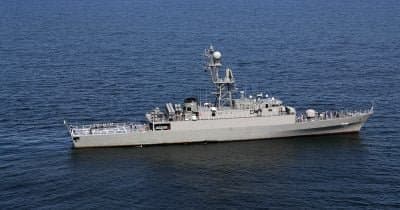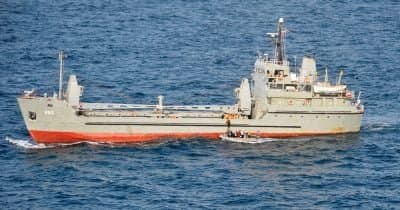
Ukraine's strike on an Iranian cargo ship left one sailor dead and sent a sharper message than a typical military hit. The attack wasn't just about disrupting weapons flowing to Russian forces, experts say. It was a demonstration that Iran's northern trade routes, critical for bypassing Western sanctions, remain exposed to Ukrainian fire.
Alex Vatanka at the Middle East Institute framed the incident as a calculated show of force. By targeting an Iranian vessel, Kyiv signaled it can reach beyond Russian territory into Tehran's logistics network. Nicole Grajewski from Sciences Po noted the strike shows a deepening problem for Iran: the tightening military partnership with Moscow makes Iranian assets vulnerable to Ukrainian retaliation in ways they weren't before. When you're supplying weapons to one side of a war, your own supply lines become targets too.
Tehran condemned the attack as aggression and reported the fatality. The diplomatic temperature between Kyiv and Tehran has risen accordingly. But the real question now hanging over analysts involves what comes next. Market watchers are monitoring whether Iran will attempt military retaliation by late August, either directly against Ukraine or through proxies. Iranian official statements could signal intentions. Any credible reporting of military movements or diplomatic back-channel talks would also move needle on how serious escalation might get.
The incident fits into a broader pattern where Iran's financial and logistical networks face constant pressure from coordinated pressure. This particular strike removes ambiguity about one thing, though, Ukrainian forces have both the reach and willingness to make Iran's economic lifelines costly to operate.
This article provides information about geopolitical developments and market signals. It is not investment advice or a forecast of market movements.