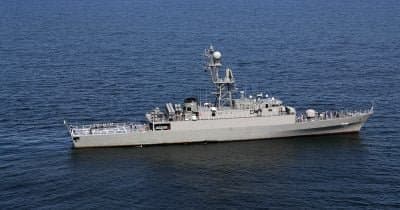
"We are fully committed to maintaining control in the Strait," a U.S. Navy official said as an MH-60R Sea Hawk helicopter launched from the USS Michael Murphy to support the ongoing blockade against Iran. This operation has already forced 30 commercial vessels to change course, disabled two ships, and allowed boarding of another two to ensure they comply with the blockade's terms. Nearly 30 others have been granted passage for humanitarian reasons, highlighting the complexity of the mission.
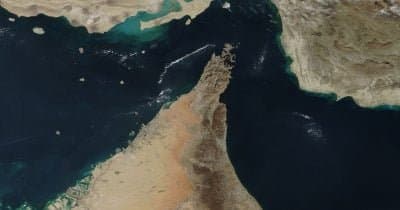
These aggressive moves underline Washington’s determination to keep pressure on Tehran. The U.S. military presence in the Strait of Hormuz, a key chokepoint for global oil shipments, remains solid, signaling no immediate plans to ease restrictions. Market reactions reflect this stance, with the chance of the blockade ending by the end of July dropping to 34 percent from an earlier 40 percent, while December forecasts show an 86 percent likelihood of resolution investors seem to expect the standoff to drag on for months.
Traders and analysts are watching closely for any signals from President Donald Trump or CENTCOM that might point to a shift. Until then, continued enforcement means heightened geopolitical risk in the region, affecting everything from oil prices to global shipping routes. The blockade isn’t just a military maneuver it’s reshaping market expectations and regional dynamics. For a glimpse into the ripple effects on energy markets, see how oil prices reacted after Iran’s prior actions in the Strait.
This standstill keeps regional tensions simmering, with no clear end in sight. The U.S. Navy's active role, including helicopter support for rapid response, ensures the blockade remains firmly in place, sending a strong message to Iran and global players alike.
This article is for informational purposes only and does not constitute financial advice.