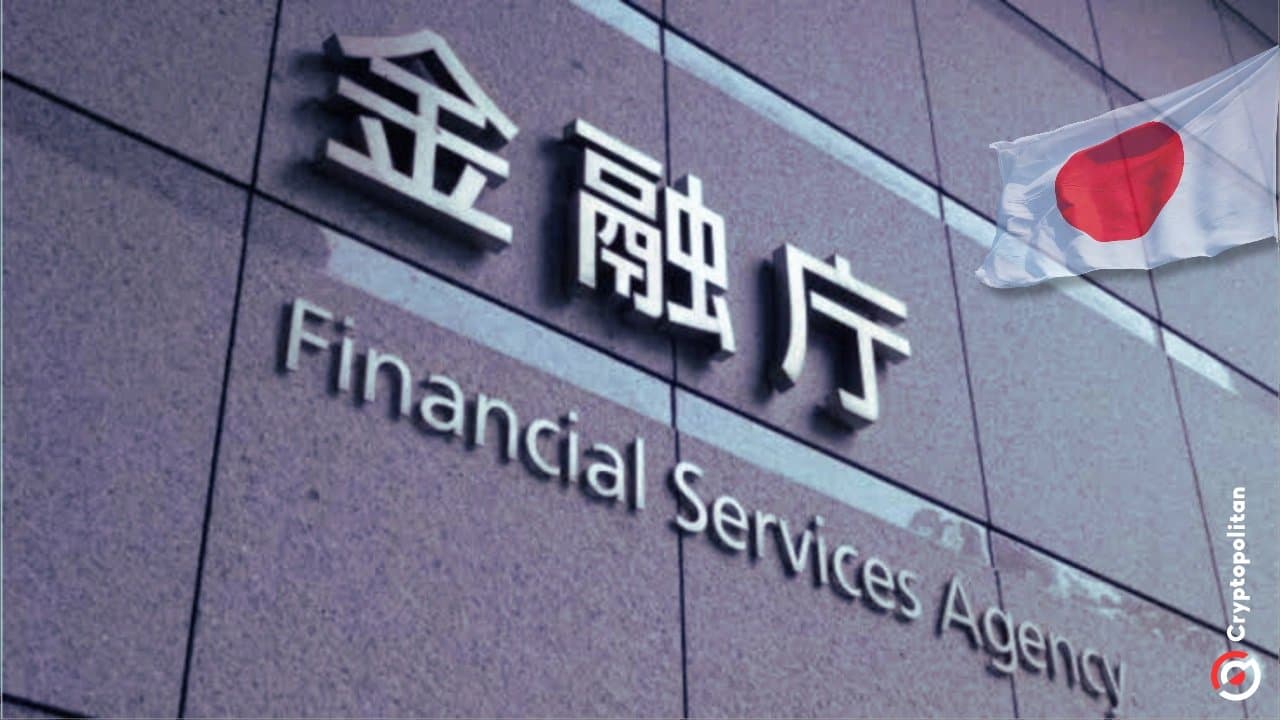
Japan's Financial Services Agency launches a dedicated Crypto Assets and Stablecoins Division on August 7. The move consolidates what was once fragmented across two small offices into a single bureau with real authority, budget, and staffing.
Crypto oversight used to live in the shadows of Japan's regulatory machinery. The Crypto, Blockchain and Innovation Office and the Crypto Monitoring Office occupied low-level slots under the Risk Analysis Division, handling digital assets as a minor concern. Both units had minimal authority and almost no visibility within the broader financial system. Now that changes.
What the new structure actually means
The Financial Services Agency is building out the Crypto Assets and Stablecoins Division under a newly created Asset Management and Insurance Supervision Bureau. This isn't just a rename. The division gets three specialized teams, more people on payroll, larger budget allocations, and genuine supervisory teeth. The setup signals Japan's intention to treat crypto the same way it oversees traditional financial products, not as some experimental sideline.
The three offices within the division focus on asset monitoring, innovation promotion, and compliance oversight. By centralizing these functions, regulators can enforce rules consistently across exchanges and stablecoin issuers rather than having different offices issue contradictory guidance.
Why Tokyo is tightening the reins now
Japan approved this reorganization back in December 2025 and is now following through. The timing aligns with the country reclassifying digital assets as legitimate financial products. The FSA is preparing a flat 20% tax framework for crypto transactions and exploring spot ETF approvals. These policy shifts require a regulator with actual capacity to monitor market activity, investigate fraud, and ensure compliance across an entire sector.
The consolidation reflects a broader shift in Tokyo. After years of treating crypto as a niche technology story, policymakers are acknowledging that digital assets represent real financial infrastructure. Japan's major exchanges have billions in daily volume, institutional players are moving in, and retail adoption keeps climbing. Weak oversight invites the kind of exchange collapses and stablecoin disasters that damaged confidence in previous years.
This article provides background on regulatory developments in cryptocurrency markets and is informational only. It does not constitute financial advice or investment guidance.