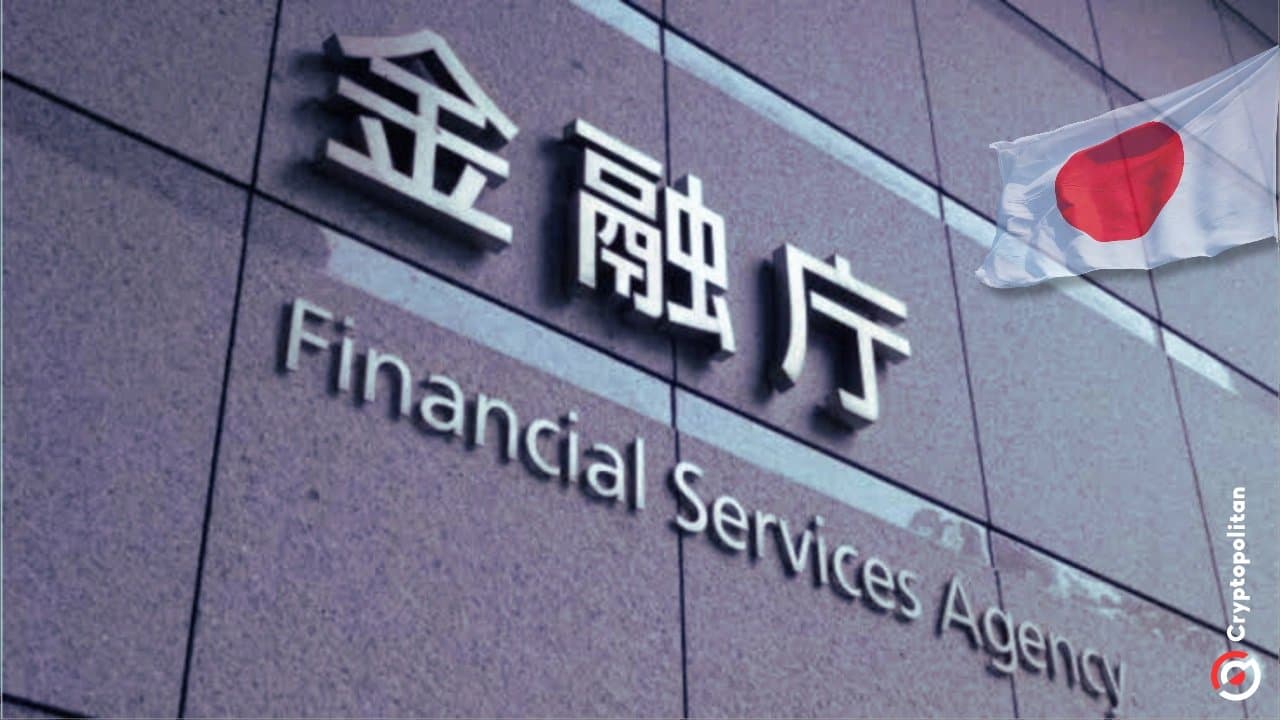
Japan's Financial Services Agency created a standalone division for cryptocurrencies and stablecoins on August 7. The move consolidates oversight that was scattered across multiple offices into one dedicated department, giving the country a sharper regulatory apparatus for exchanges, payments, and blockchain innovation.
The new Cryptocurrency and Stablecoin Division sits within the Asset Utilization and Insurance Supervision Bureau. Three specialized offices operate under it, each handling a slice of the mandate: monitoring registered exchanges and service providers, steering innovation policy, and planning digital payment infrastructure. Before this restructuring, crypto work was split between the full Policy Bureau's Risk Analysis Division and several scattered offices including the Cryptocurrency and Blockchain Innovation Office.
Tougher penalties, insider trading rules come with overhaul
The restructuring arrives alongside sweeping amendments to the Financial Instruments and Exchange Act. Lawmakers reclassified crypto assets as financial instruments, pulling them into the same regulatory orbit as traditional securities. That opens the door to insider trading restrictions for crypto transactions, mandatory annual disclosures from certain issuers, and stricter market transparency requirements.
Penalties for operating unregistered crypto businesses got sharper too. Maximum prison sentences for violations jumped from three years to higher terms, according to statements from the FSA. The agency signaled that tax reforms and possible Bitcoin ETFs could follow, signaling Japan's broader pivot toward legitimizing digital assets within its financial system.
This article is informational and does not constitute financial advice. Regulatory changes can impact market dynamics, but investors should conduct independent research before making any decisions.