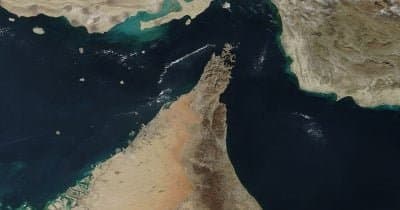
Introducing a 20% toll on goods transiting the Strait of Hormuz by the US signals an escalated tactic in economic pressure during heightened tensions with Iran. This proposed fee aims to fund security operations and reinforce US naval control over a critical chokepoint that facilitates approximately 20% of global petroleum shipments.
Strategic Implications for Global Trade and Energy
The Strait of Hormuz is a narrow waterway through which roughly 21 million barrels of oil per day pass, representing about 20% of the world's traded oil. Any disruption or additional costs imposed here directly reverberate across global oil prices and supply chains. The US blockade and toll proposal thus represent a dual lever of control: beyond military posturing, it introduces a tangible economic burden on shipping companies, potentially increasing fuel costs and impacting regional trade dynamics.
However, current market pricing reflects skepticism about the immediate implementation of the toll. Prediction markets assign a mere 0.7% probability to the US enforcing the toll by July 31, implying investors are wary of escalation risks and practical enforcement challenges that could undermine the measure.
Geopolitical Contest and Market Responses
This toll proposal is a response to Iran's own assertions of sovereignty and attempts to regulate passage through the strait. Both sides wield control over this strategic maritime route as a geopolitical tool. An official US Treasury or White House announcement could trigger significant volatility in energy markets and shipping insurance costs.
Observers should watch for shifts in rhetoric or policy from US and Iranian officials, as any confirmation of toll enforcement could lead to elevated market tensions. Conversely, Iran independently enforcing tolls may reduce the perceived likelihood of US action, realigning market expectations accordingly.
Given the Strait's importance to global oil flows, developments here will also ripple across broader economic sectors dependent on energy prices. Investors and traders will likely monitor related military developments and diplomatic negotiations closely.
This material is informational and does not constitute financial advice.