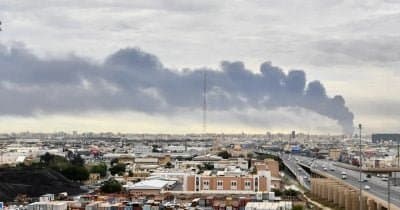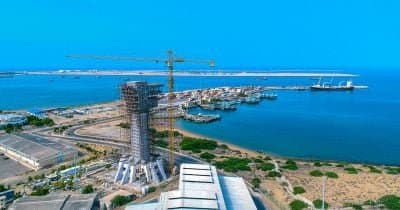
US airstrikes have recently targeted Iranian ports, triggering a swift counterattack by Iran across the region. This surge in military activity follows President Donald Trump's stern warning that Iran would face severe consequences for the deaths of US troops. Such confrontations are not isolated skirmishes; they represent a critical escalation in the 2026 Iran-US conflict that is rapidly intensifying geopolitical risks.
The immediate consequence of this escalation is a marked increase in market anxiety about Iran potentially closing its entire airspace. Market odds for an airspace shutdown by July 31 have jumped from 26% to 30.5% in just one day. This shift signals that traders and investors now perceive a full closure as a tangible risk, reflecting Iran's probable response to ongoing military threats and US actions.
An airspace closure would have far-reaching implications for global logistics and aviation routes across a volatile region. It would further complicate civilian and commercial flights, forcing airlines and businesses to reroute, increasing costs and uncertainties. This development could ripple into broader market sectors, including insurance and global trade flows.
The US naval blockade reinstated on Iranian ports, combined with renewed oil sanctions, has already caused global oil prices to soar. These measures constrain Iran's export capacities, straining supply and unsettling markets that are sensitive to energy price swings. Higher oil prices often translate into inflationary pressures worldwide, burdening economies that are still recovering from previous shocks.
Qatar's call for United Nations intervention highlights the conflict’s wider international dimension. This appeal points to a growing concern among Gulf nations about regional stability and the potential for broader conflict escalation. The UN's stance and any resultant diplomatic moves will be closely watched as they can influence investor sentiment and possibly temper the intensity of the conflict.
Market watchers should remain alert to official announcements by Iran's Civil Aviation Organization and statements on state media, which might confirm or deny airspace closure. Likewise, shifts in rhetoric from President Trump or reports from reliable sources such as Reuters or AP will be key to gauge how the situation may evolve. Oil market fluctuations and any responses from the UN Security Council will also serve as early indicators of the conflict's trajectory.
DeFi risk profiles are impacted when macro events like this disrupt market confidence and liquidity, underlining the interconnectedness of geopolitical and crypto markets.
This article is informational and does not constitute financial advice.