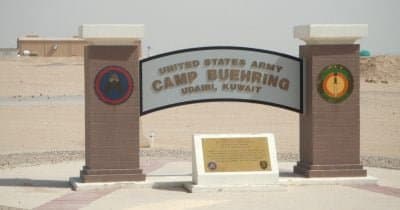
Iran’s Islamic Revolutionary Guard Corps (IRGC) has intensified its military campaign by targeting radar installations near Kuwait’s Ali al-Salem Air Base and Bubiyan Island. This move not only escalates tensions with a key US ally but also challenges regional air defense architectures. Despite setbacks in missile capabilities, Iran displays precision strike capacity, raising stakes across Gulf security dynamics.
Strategic Implications of Targeting Radar Systems
Radar systems near Ali al-Salem Air Base and Bubiyan Island serve as early-warning assets for both Kuwaiti and US forces, enabling rapid detection of incoming threats and coordination of air operations. Iran’s focus on these high-value targets aims to degrade the situational awareness of coalition forces, potentially creating operational blind spots. Such disruptions could hamper US-led coalition air missions, complicating immediate responses to further Iranian or proxy actions.
This tactic reflects a shift from blunt missile barrages to more precision-oriented strikes, compensating for Iran’s diminished missile inventory with targeted attacks that can yield outsized operational effects. The IRGC’s continued ability to conduct such strikes challenges assumptions about Tehran’s military degradation post-US and Israeli operations, signaling persistent latent threats.
Regional Market Reactions and Conflict Prospects
Market indicators show heightened expectations for ongoing Iranian military activity against Gulf states, particularly around July 22. This pricing encapsulates investor concerns that the conflict could intensify, disrupting energy markets and regional stability. Financial markets sensitive to Gulf tensions may price in risk premiums, affecting commodity prices and investment flows.
Observers are closely monitoring diplomatic responses from the US, Kuwait, and other Gulf Cooperation Council members. The potential for diplomatic interventions remains, but limited success could embolden Iran to continue precision strikes, amplifying volatility. The timing of attacks, following US and Israeli operations on Iranian soil, suggests a tit-for-tat dynamic with uncertain duration.
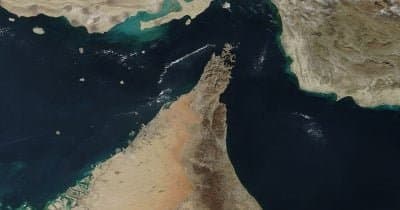
These developments recall how geopolitical flashpoints in energy-rich regions can ripple across global markets. For example, disruptions near the Strait of Hormuz have previously shifted oil price trajectories, and US toll plans on Hormuz remain a sensitive factor. Investors and traders should weigh these evolving risks carefully.
This material is informational and does not constitute financial advice.