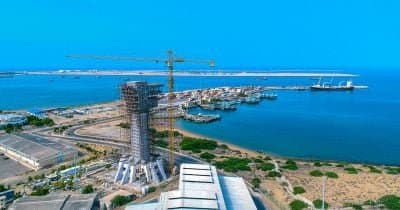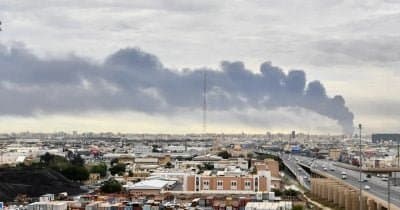
Iran has intensified its regional conflict by carrying out precision strikes against Kuwait’s desalination plants, a move signaling a concerning shift toward targeting civilian infrastructure. These attacks jeopardize the critical water supply for millions of Kuwaitis, potentially triggering a humanitarian crisis if essential services remain disrupted.
Escalation Patterns and Regional Implications
Political scientist Robert Pape describes the current conflict involving Iran, Kuwait, Israel, and the US as a "spiral" of escalation, where each side’s actions push tensions higher with less room for diplomatic resolution. Iran’s deliberate targeting of desalination facilities highlights a tactical change aimed at undermining civilian resilience, pressuring Kuwait amid broader geopolitical struggles. Such infrastructure attacks historically correlate with deteriorating diplomatic prospects and increased volatility in affected regions.
This shift holds dire consequences: Kuwait relies heavily on desalination for its freshwater needs, with immediate implications for public health and social order should these plants remain offline. Pape warns that within a week, millions could face severe drinking water shortages, exacerbating regional instability. The attack also signals increased risk for investors and markets sensitive to Middle Eastern security dynamics.
Market sentiment aligns with the heightened conflict risks: pricing currently discounts the chance of US-Iran peace talks taking place in the UAE by the end of September 2026. This suggests skepticism among traders about near-term diplomatic breakthroughs, which could prolong market uncertainty in energy and regional assets.
Observers will closely watch statements from US President Donald Trump and Iranian Foreign Minister Seyed Abbas Araghchi for signs of thaw or further escalation. Any shifts in negotiations or renewed military activity will directly influence global market perceptions, especially given the potential economic fallout from disrupted critical resources.
This article aims to provide insight and does not constitute financial advice.