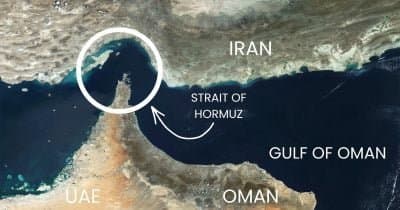
The recent escalation of tensions between the United States and Iran has produced a pronounced ripple effect across global oil markets. Following a series of missile strikes, fears of supply disruptions through the Strait of Hormuz have escalated, leading to significant increases in crude oil prices. Brent crude futures have climbed to approximately $78.96, up from a previous close of $76.01, while WTI crude trades around $74.58. This price volatility underscores the complex interplay between geopolitical events and market pricing strategies.
Contextualizing the Current Oil Price Surge
The surge in oil prices is indicative of a renewed Middle East risk premium that investors are willing to accept in the face of geopolitical instability. The renewed U.S.-Iran tensions suggest that market participants perceive these developments as supportive of a bullish outlook for oil prices. This sentiment is further compounded by concerns over the potential for supply disruptions, particularly through the strategically vital Strait of Hormuz, where a significant portion of the world's oil supply passes.
Despite other factors such as increased production targets from OPEC+ and rising U.S. inventories, the current pricing trends indicate that the market is prioritizing the geopolitical risk over these downside fundamentals. The ongoing instability is likely to keep oil prices buoyant as traders remain cautious about the potential for further military actions or escalations.
Market Implications and Future Developments
As the situation develops, market participants will be closely monitoring various indicators that could influence oil pricing. Key factors to watch include any announcements from Iranian or U.S. officials regarding military actions or diplomatic negotiations. Additionally, updates from OPEC+ on production levels and reports from the U.S. Energy Information Administration regarding inventory levels will be crucial in shaping market dynamics in the coming days.
The potential for prolonged disruptions in the Strait of Hormuz could solidify the current upward trend in oil prices, further reinforcing the market’s sensitivity to geopolitical events. Investors should remain vigilant, as the interplay between military actions and oil supply dynamics will likely dictate market movements in the near term. In this context, understanding the implications of U.S.-Iran relations becomes essential for stakeholders in the oil markets.
This article serves as information and should not be considered financial advice.