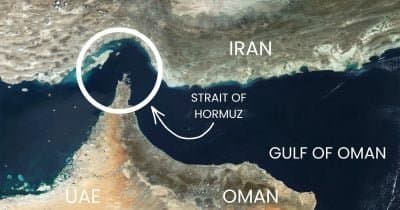
The recent flare-up between the United States and Iran over the Strait of Hormuz has sent shockwaves through the oil market, causing prices to surge. Brent crude has jumped over 4%, reaching around $78.72 per barrel. This spike reverses a downward trend and underscores the precarious nature of global oil supplies. Given that this strait is responsible for around 20% of the world’s oil transport, any disruption here can have far-reaching consequences.
This escalation comes after a brief period of calm following a June 18 agreement aimed at easing tensions. The abrupt shift raises questions about future stability in the region and the potential for supply disruptions. Market analysts are now assessing the likelihood of West Texas Intermediate (WTI) crude oil reaching higher price targets, with some speculating that prices could hit $130 as geopolitical tensions intensify.
Investors should keep a close eye on the situation, as announcements from U.S. and Iranian officials regarding the Strait's status could heavily influence oil prices. Further military actions or aggressive rhetoric may bolster scenarios that predict continued price increases. Conversely, any signs of diplomatic progress or conflict de-escalation could lead to stabilization in oil prices, offering some relief to a market already on edge.
Moreover, upcoming reports from the International Energy Agency and OPEC+ will be crucial for understanding global oil supply and production levels in the face of these developments. With the potential for significant shipping challenges in the Strait of Hormuz, the market remains highly reactive to both geopolitical dynamics and economic indicators.
This material is for informational purposes only and should not be considered financial advice.