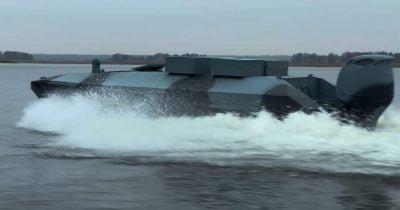
In a significant escalation of military tactics, Ukraine's unmanned systems have reportedly struck 90 Russian vessels in the Sea of Azov within a week, as detailed by the Kyiv Post. These attacks, occurring between July 6 and July 12, represent a strategic initiative aimed at disrupting Russian logistical operations, particularly those involving the supply of fuel and materials to the occupied territory of Crimea.
Strategic Implications of Unmanned Strikes
Targeting Russian vessels without engaging in direct naval confrontation highlights a calculated shift in Ukraine's military strategy. This approach allows Ukraine to undermine Russian supply chains while reducing the risk of heightened military retaliation. By focusing specifically on maritime logistics, Ukraine signals its intent to erode Russia's operational capabilities in the region, leveraging technology to offset its conventional disadvantages.
The implications of these strikes extend beyond immediate military gains; they suggest a growing Ukrainian capability and determination, potentially shifting the odds in favor of recapturing Crimea. A successful campaign against Russian supply lines could bolster Ukraine's position not just militarily but also politically, as public sentiment may begin to favor more aggressive efforts to reclaim lost territories.
Market Reactions and Future Monitoring
Interestingly, market reactions to these developments indicate increased support for Ukraine's potential recapture of Crimea, with financial forecasts increasingly factoring in this strategic possibility. The situation has piqued the interest of market observers who will likely watch for additional operations targeting Russian logistics in the coming weeks. Such continued actions could further validate Ukraine's momentum and capability.
Furthermore, updates from institutions like the Institute for the Study of War (ISW) regarding territorial control, along with responses from the Russian Ministry of Defense, will be critical in assessing the ongoing dynamics. Shifts in maritime traffic patterns could also provide essential insights into the evolving situation, suggesting that the maritime landscape in the Sea of Azov may be undergoing a significant transformation.
This article is informational and should not be considered financial advice.