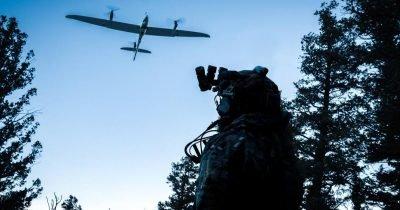
The Australian Army's recent tests of the Vector AI drone highlight a significant evolution in military technology, underpinned by the invaluable combat experiences gleaned from the ongoing conflict in Ukraine. Developed by the German firm Quantum Systems, this drone has been tailored to enhance its operational effectiveness based on over 20,000 hours of combat experience in Ukraine.
Such adaptations are not merely technical adjustments; they reflect a strategic pivot among allied nations toward integrating advanced AI-enabled drone technologies that can function autonomously, resist GPS jamming, and excel in electronic warfare. This modernization trend, observed in Australia, is also echoed in defense strategies from key allies such as the United States and the United Kingdom.
Insights from the Conflict
The integration of insights from Ukraine into the Vector AI drone's development is significant for several reasons. Firstly, it underscores how real-world combat scenarios serve as a testing ground for military technologies, allowing for rapid adaptations that enhance effectiveness on the battlefield. The Australian military's choice to leverage this technology suggests a committed effort to improve its operational capabilities in complex environments.
Moreover, the drone's performance in Ukraine has not only attracted the attention of the Australian Army but has also positioned it as a subject of interest for the US Army, which has reportedly entered into contracts based on the drone’s proven capabilities. This development signals a broader acknowledgment of Ukraine's tactical innovations and their potential to influence global military trends.
Implications for Future Operations
Markets are already responding to these advancements, with indications suggesting that robust support for Ukrainian military operations may correlate with a positive outlook on the recapture of Crimea. As allies like Australia adopt technologies honed in such high-stakes environments, there is a likelihood of enhanced strategic advantages for Ukraine in potential future operations.
Specifically, the introduction of drones like Vector AI could significantly alter the dynamics on the battlefield, raising the stakes for both Ukraine and its adversaries. As military leaders such as Volodymyr Zelenskyy navigate these developments, close attention will be paid to how drone capabilities evolve and what this means for ongoing conflicts and geopolitical stability.
Investors and market observers should monitor how the adoption of this technology across various nations unfolds, as it may signal shifts in military strategies and impact pricing related to defense technologies. The situation in Crimea and broader operational contexts will be critical areas of focus for analysts interested in military developments.
This article is informational and not financial advice.