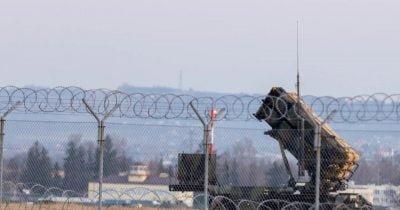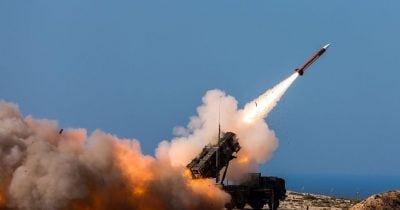
The recent announcement from the NATO summit in Ankara, where President Trump granted Ukraine the license to produce Patriot missile interceptors domestically, represents a significant shift in the geopolitical and defense landscape. This decision not only underscores the deepening ties between the US and Ukraine but also hints at the potential restructuring of military production capacities within Eastern Europe.
Context of the Decision
During the NATO summit held on July 8, 2026, Trump’s declaration came as a result of a formal request from Ukrainian President Volodymyr Zelenskyy a few weeks prior. This quick turnaround suggests a pressing demand for enhanced air defense capabilities in Ukraine, as the ongoing war necessitates immediate and substantial military support from allies.
The deal primarily involves major defense manufacturers, Lockheed Martin and RTX Corporation, previously known as Raytheon, both integral to the production of the Patriot missile system. The fact that the agreement focuses on domestic production underscores a broader strategy of fostering local defense capabilities, which could reduce Ukraine's reliance on foreign military aid over time.
Challenges Ahead
Despite the positive implications of this move, there are considerable hurdles to overcome. Setting up a licensed production facility for advanced missile systems requires comprehensive infrastructure development and skilled workforce training. Experts estimate that it may take several years before Ukraine can achieve a level of production that meets its defense needs independently.
In the interim, Ukraine will continue to rely heavily on ongoing Western military support. Therefore, tracking subsequent contracts between Lockheed Martin, RTX, and local Ukrainian defense firms will be critical to evaluate the progress towards operational production capabilities. Additionally, this scenario indicates a significant transformation in the defense contracting dynamics, as local firms would need to be integrated into global supply chains.
Potential Consequences for Defense and Global Relations
This move may not only bolster Ukraine's defense posture but also have broader implications for NATO and global defense relationships. By fostering domestic production, Ukraine could emerge as a regional defense hub, potentially influencing neighboring countries contemplating similar defense initiatives.
Moreover, the US's willingness to enable Ukraine's military self-sufficiency may encourage other nations to seek similar agreements, reshaping international defense collaboration frameworks. As countries reassess their reliance on traditional military alliances, we could witness a diversification of defense capabilities, impacting geopolitical stability.
This material is for informational purposes only and does not constitute financial advice.