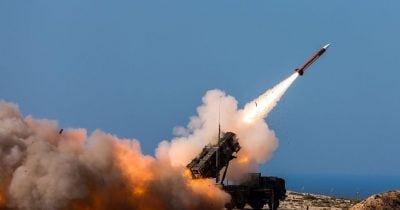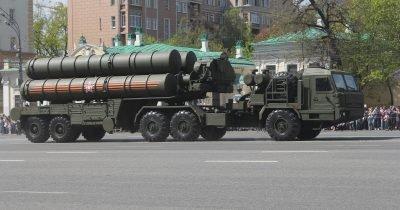
Turkey's recent decision to sell two Russian-manufactured S-400 air defense systems, along with 120 interceptor missiles, to an undisclosed Gulf state has far-reaching implications beyond mere financial transactions. This move appears to transform what was a significant liability, a $2.5 billion investment in Russian military hardware that has remained unused, into a strategic asset that could reshape not only regional defense dynamics but also Turkey's relations with the West.
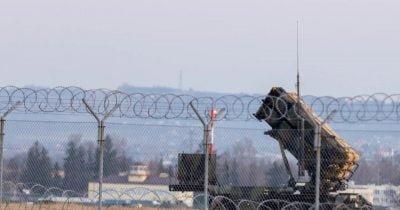
The sale, which is still pending approval from Russia, allows Turkey to potentially mitigate the sanctions imposed by the United States under the Countering America’s Adversaries Through Sanctions Act (CAATSA). Upon purchasing the S-400 systems in 2019, Turkey faced severe repercussions including its expulsion from the F-35 Joint Strike Fighter program, impacting both defense capabilities and economic interests tied to Western military contracts. By divesting itself of the S-400s, Ankara could signal a readiness to renew engagement with American defense systems, specifically the acquisition of the F-35 and the MIM-104 Patriot systems.
As for the Gulf buyer, speculation points towards the United Arab Emirates, which is seeking to bolster its air defenses in light of rising tensions from Iranian missile threats. The potential of Qatar as another candidate for this arms deal also highlights how Turkey's military alliances could realign in the region as states address mutual security challenges.
The financial aspects of this deal are crucial to understand the larger picture. While the resale price of the S-400s remains undisclosed, it is likely that Turkey would accept a less lucrative deal to unlock access to more technologically advanced systems like the F-35. Considering that the F-35 variants can cost around $80 million each, the financial calculus becomes one of strategic necessity rather than mere profit.
This impending deal carries broader implications for defense contractors such as Lockheed Martin and Raytheon, who stand to gain from a re-engaged Turkey. The possible lifting of sanctions could open up lucrative contracts for these firms, driving their stock prices and altering the competitive landscape within the defense industry.
Looking ahead, the international community will be watching closely for two critical signals: the response from Russia regarding the transfer approval and any indication from the U.S. government about changes to Turkey's sanction status. These developments could set a precedent that reshapes not only Turkey's military alliances but also its role within the larger geopolitical framework.
This article is for informational purposes only and should not be considered financial advice.